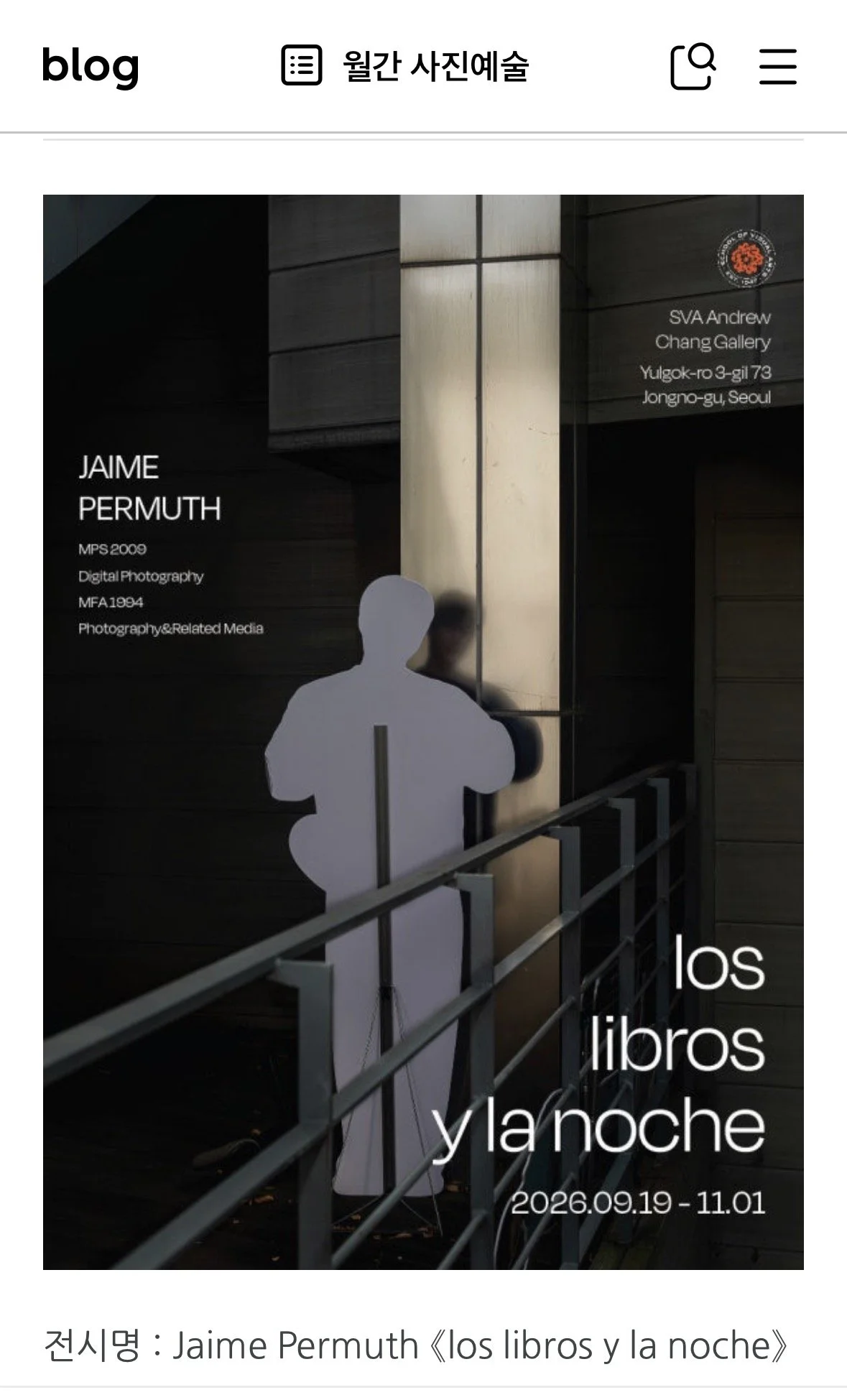
My solo exhibition at SVA Seoul Gallery is featured online in Sajin Yesul Photo Art Magaine.
Discipline or comfort?
The thing about discipline is that it can feel oppressive; an endless, unrelenting return. But with time, you begin to feel that it is also liberating, a certainty about the right thing to do. In time, you also start seeing the results of your efforts pay off.
But perhaps most importantly, discipline is the silent promise you make - and keep.
It builds trust with the person who’s known you the longest: yourself.
In my case, bicycling is also a passion for the open road. Physical effort is eclipsed by the rising wave of joy and freedom and I thank my lucky stars for another day riding.
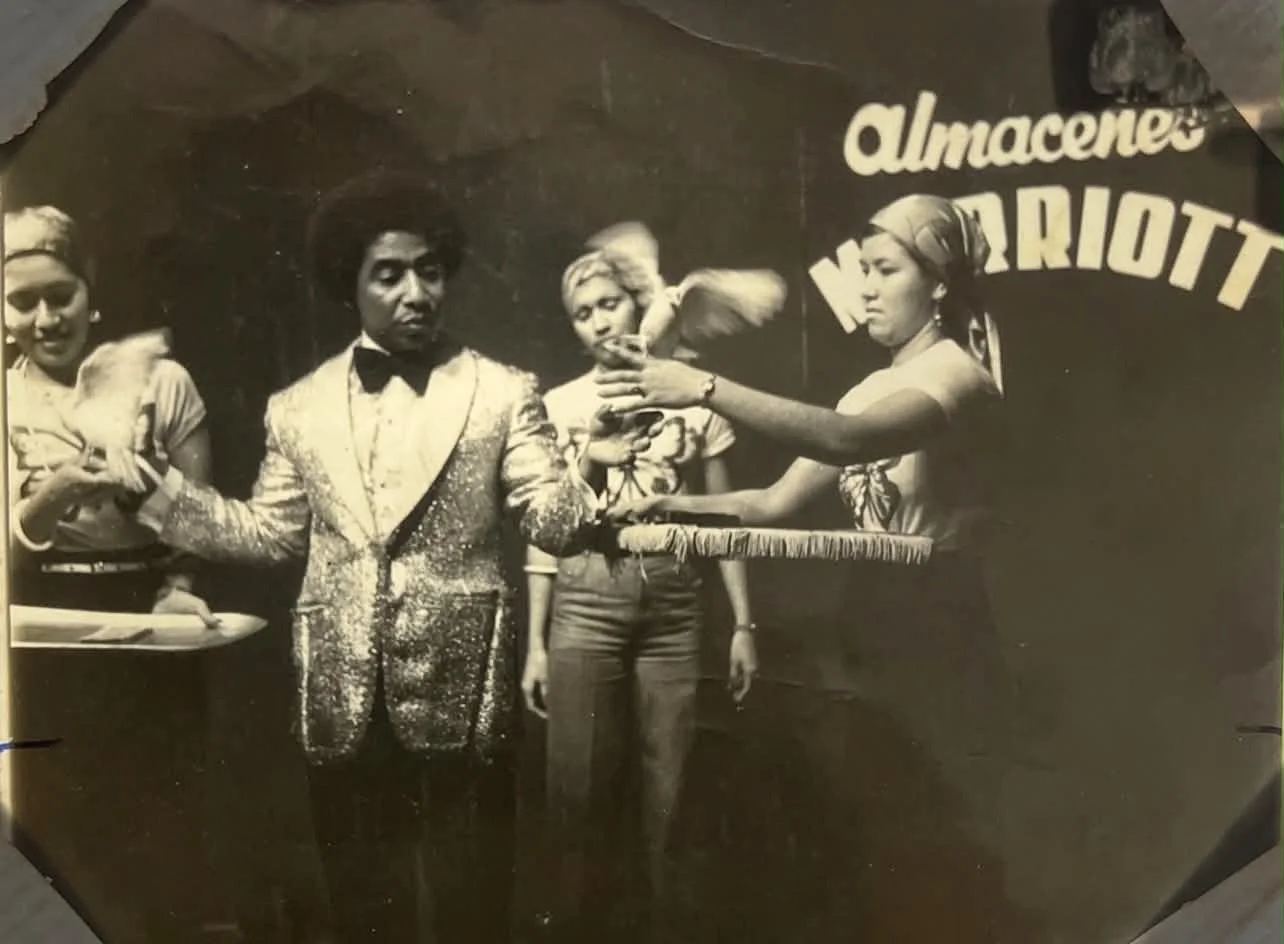
Olmedini’s younger years
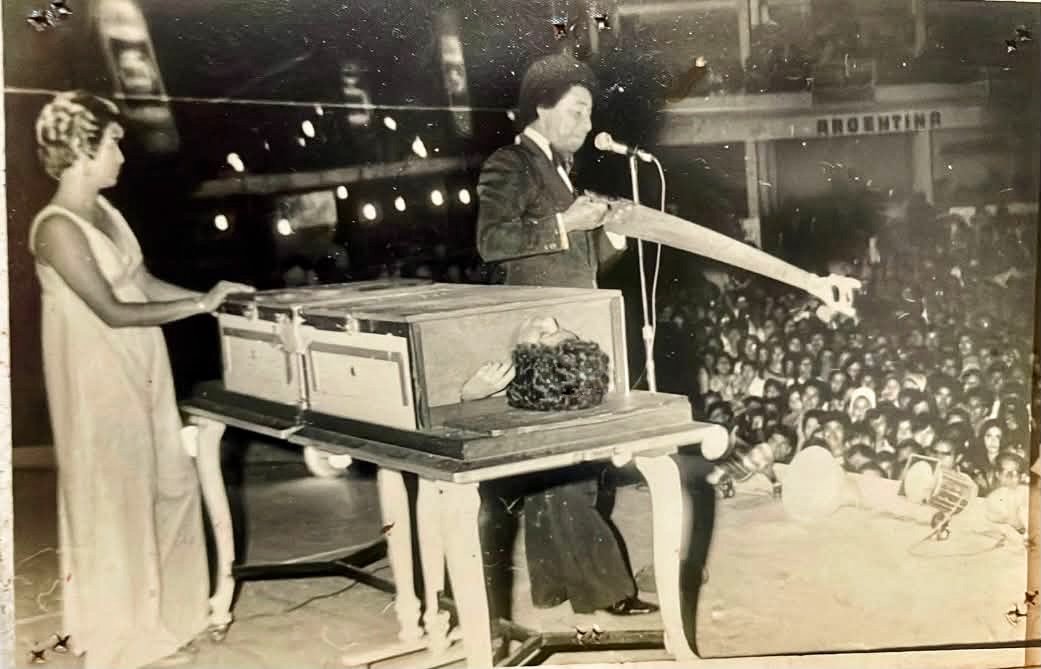
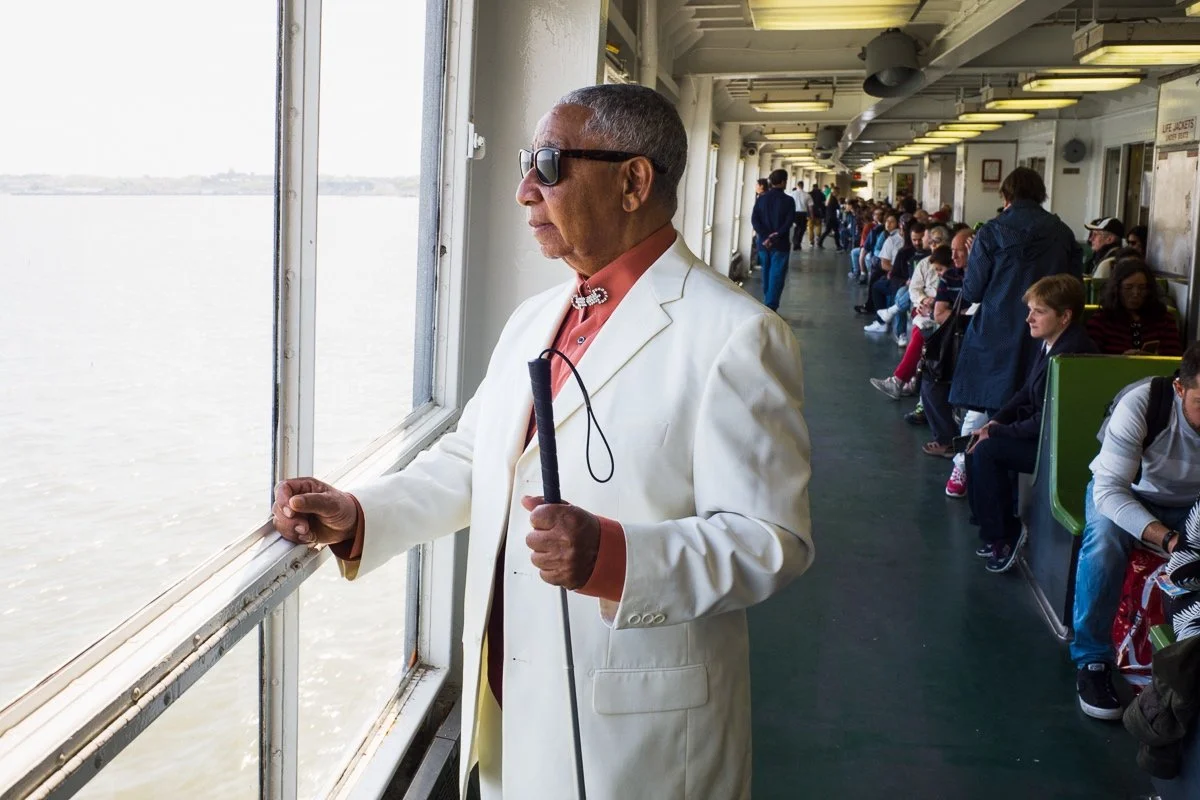
At a fairly young age, Olmedo Renteria “Olmedini El Mago” was already a star magician in Ecuador. He was a media darling and had his own TV show. He was often a juror for beauty contests and drove a sports car down the streets of Quito.
Sometimes Olmedini would fly to New York City to spend a few days shopping for fine suits, dancing with showgirls at the Palladium and checking out the latest magic tricks at Tannen’s on 34th St.
On one of those trips, Olmedini impulsively decided to stay in New York hoping to trade in his local stardom in Ecuador for international celebrity. However, the magician spoke no English nor had he saved up enough money to really hold out in a city like in New York for longer than a few months.
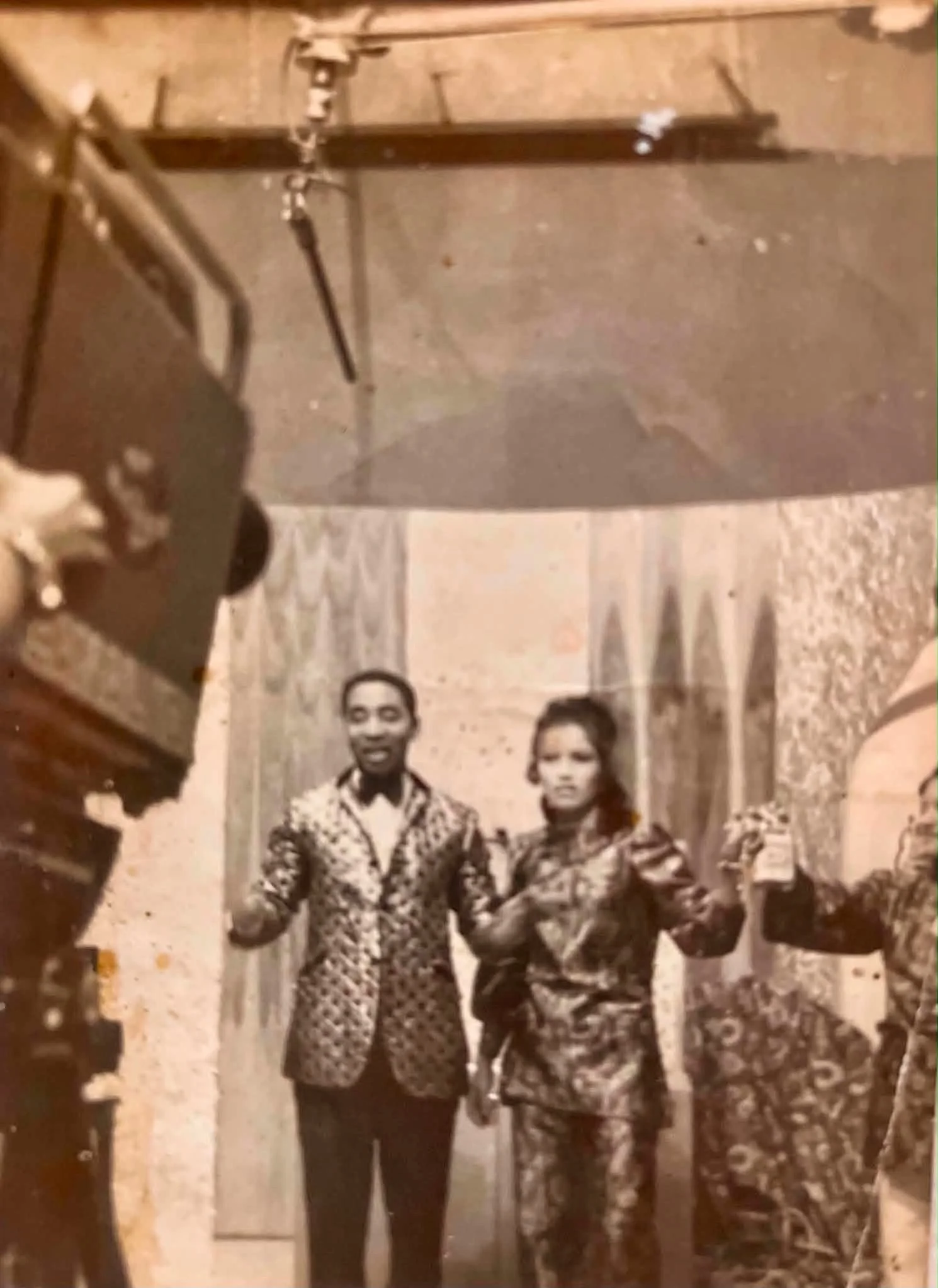
Soon he found himself performing magic on street corners and when the winter came along, he descended into the nether world of the subway, which became his moving stage and where he would remain for the next thirty years, entertaining countless New Yorkers with his art.
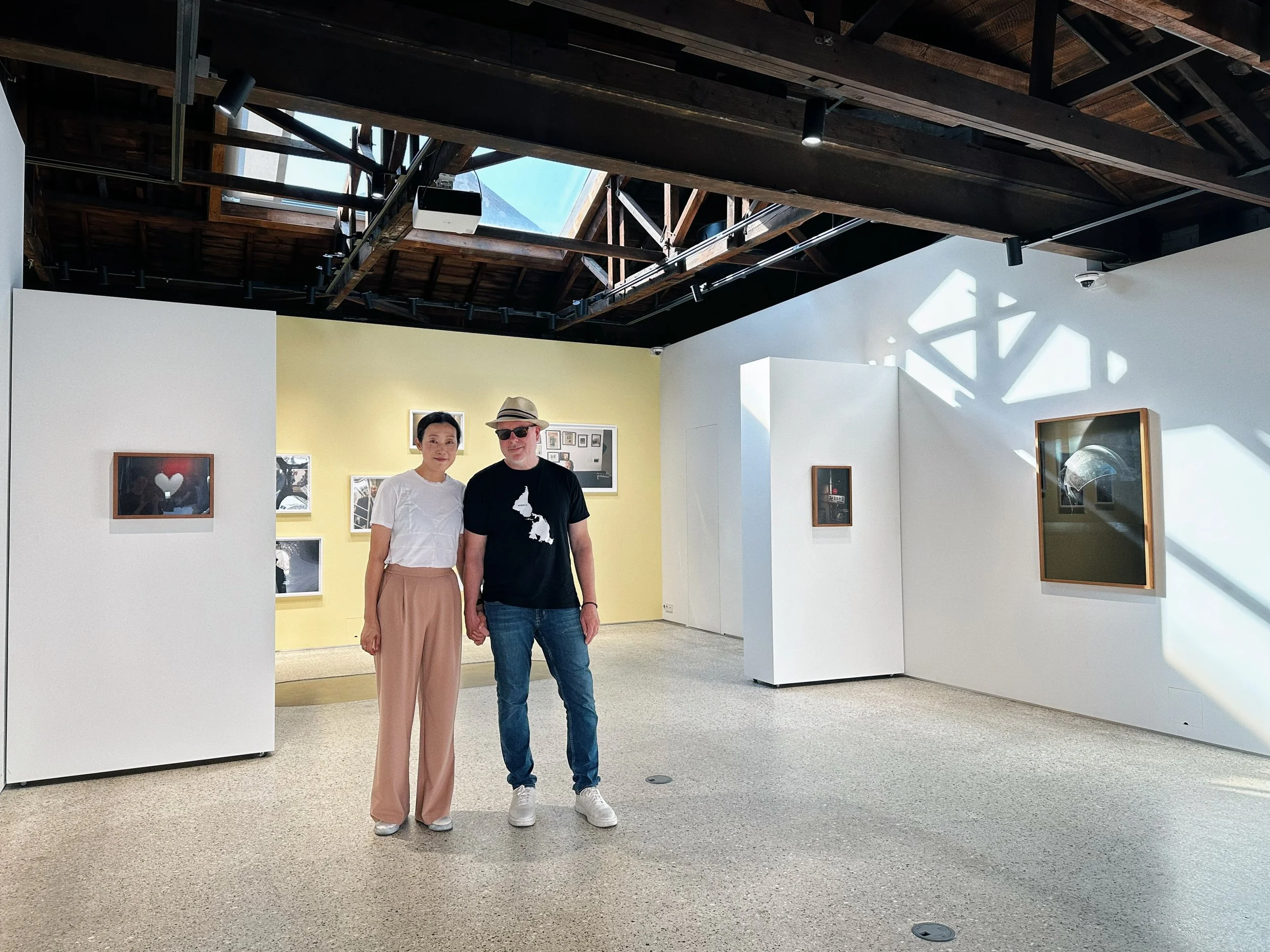
Never date a photographer
Until I met HRM, I never dated another photographer. I guessed it would be well… kind of cosmically redundant. But love proved me wrong and here we are now, so many years later, still together, still looking out for each other, still making work we feel passionate about!
Our family album has many variations of photographs like this one: HRM visiting one of my gallery shows, me attending one of hers, and occasionally one in which both of us have work in an exhibition together ~
——
SVA 서울 갤러리는 @sva_seoul_gallery 추석 연휴로 인해 9월 21일(월)부터 9월 26일(토)까지 휴관합니다.
풍성한 한가위 보내시고, 9월 27일에 만나요 ✨
***
SVA Seoul Gallery will be closed for the Holiday from MON 9/21 through SAT 9/26.
Happy Chuseok and see you back on SUN 9/27 ✨
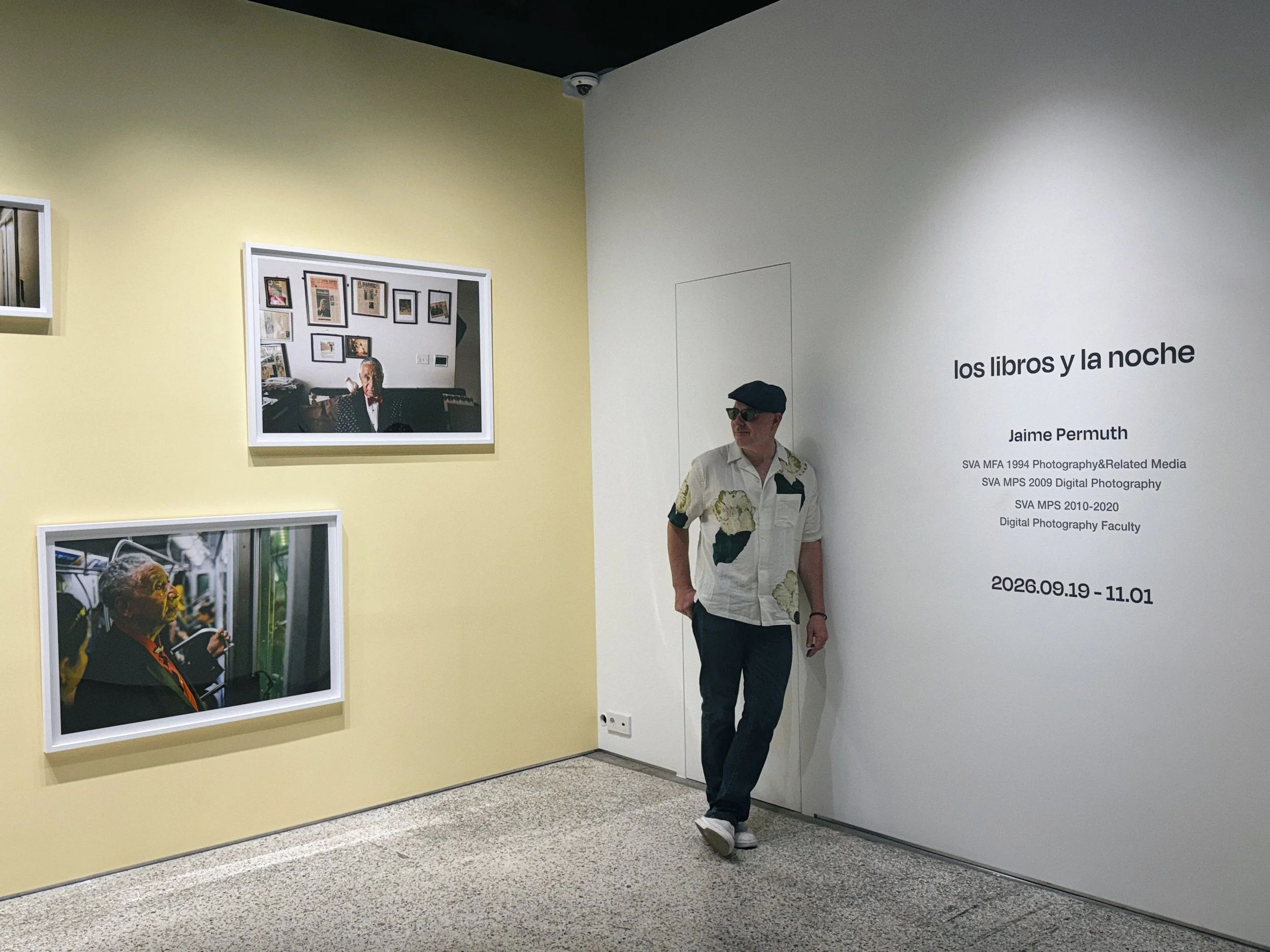
Open
The exhibition is hung, lit and - as of tomorrow Sept 19th - ready to welcome your visit.
____
SVA 앤드류장 갤러리에서는 9월 19일부터 Jaime Permuth 작가(MPS 2009 Digital Photography; MFA 1994 Photography and Related Media)의 개인전 《los libros y la noche》를 선보입니다.
한 장소를 떠나 새로운 곳에서 삶을 시작할 때, 우리는 무엇을 함께 가지고 가게 될까요?
이번 전시는 《Olmedini El Mago》와 《BLINDNESS》, 서로 다른 두 작업을 통해 이주와 기억, 소속감, 그리고 국경을 넘어 우리가 품고 살아가는 내면의 세계를 이야기합니다. Olmedini El Mago가 30년간 삶의 터전이었던 뉴욕을 향한 작가의 러브레터라면, 한국에서 전적으로 제작된 BLINDNESS는 자신과 전혀 다른 문화 속에서 이방인으로 살아가는 작가의 경험을 담고 있습니다.
서로 다른 장소와 경험에서 출발한 두 작업은 모두 ‘보이지 않음(blindness)’이라는 주제를 각기 다른 시선으로 탐구합니다. 떠남과 도착, 기억과 새로운 소속에 대한 Jaime Permuth의 개인적인 이야기를 SVA 앤드류장 갤러리에서 만나보시기 바랍니다.
SVA Andrew Chang Gallery is pleased to present los libros y la noche, a solo exhibition by Jaime Permuth, opening September 19.
What do we carry with us when we leave one place behind and begin a life somewhere new?
Bringing together two distinct bodies of work, Olmedini El Mago and BLINDNESS, the exhibition reflects on migration, memory, belonging, and the interior worlds we carry across borders. Olmedini El Mago serves as Permuth’s love letter to New York City, his home for 30 years, while BLINDNESS, created entirely in Korea, reflects his experience as an immigrant navigating a culture vastly different from his own.
Though rooted in different places and experiences, both projects explore the idea of blindness—each through a distinctly different lens. We invite you to experience Jaime Permuth’s deeply personal reflections on leaving, arriving, remembering, and finding one’s place in a new world.
📍 SVA Andrew Chang Gallery (Yulgok-ro 3-gil 73 Jongno-gu, Seoul)
🗓 September 19 – November 1, 2026
🎨 Artist Talk – October 17, 2026 2-5PM

Solo exhibition “los libros y la noche”
SVA 앤드류장 갤러리에서는 9월 19일부터 Jaime Permuth 작가(MPS 2009 Digital Photography; MFA 1994 Photography and Related Media)의 개인전 《los libros y la noche》를 선보입니다.
한 장소를 떠나 새로운 곳에서 삶을 시작할 때, 우리는 무엇을 함께 가지고 가게 될까요?
이번 전시는 《Olmedini El Mago》와 《BLINDNESS》, 서로 다른 두 작업을 통해 이주와 기억, 소속감, 그리고 국경을 넘어 우리가 품고 살아가는 내면의 세계를 이야기합니다. Olmedini El Mago가 30년간 삶의 터전이었던 뉴욕을 향한 작가의 러브레터라면, 한국에서 전적으로 제작된 BLINDNESS는 자신과 전혀 다른 문화 속에서 이방인으로 살아가는 작가의 경험을 담고 있습니다.
서로 다른 장소와 경험에서 출발한 두 작업은 모두 ‘보이지 않음(blindness)’이라는 주제를 각기 다른 시선으로 탐구합니다. 떠남과 도착, 기억과 새로운 소속에 대한 Jaime Permuth의 개인적인 이야기를 SVA 앤드류장 갤러리에서 만나보시기 바랍니다.
SVA Andrew Chang Gallery is pleased to present los libros y la noche, a solo exhibition by Jaime Permuth, opening September 19.
What do we carry with us when we leave one place behind and begin a life somewhere new?
Bringing together two distinct bodies of work, Olmedini El Mago and BLINDNESS, the exhibition reflects on migration, memory, belonging, and the interior worlds we carry across borders. Olmedini El Mago serves as Permuth’s love letter to New York City, his home for 30 years, while BLINDNESS, created entirely in Korea, reflects his experience as an immigrant navigating a culture vastly different from his own.
Though rooted in different places and experiences, both projects explore the idea of blindness—each through a distinctly different lens. We invite you to experience Jaime Permuth’s deeply personal reflections on leaving, arriving, remembering, and finding one’s place in a new world.
📍 SVA Andrew Chang Gallery (Yulgok-ro 3-gil 73 Jongno-gu, Seoul)
🗓 September 19 – November 1, 2026
🎨 Artist Talk – October 17, 2026 2-5PM
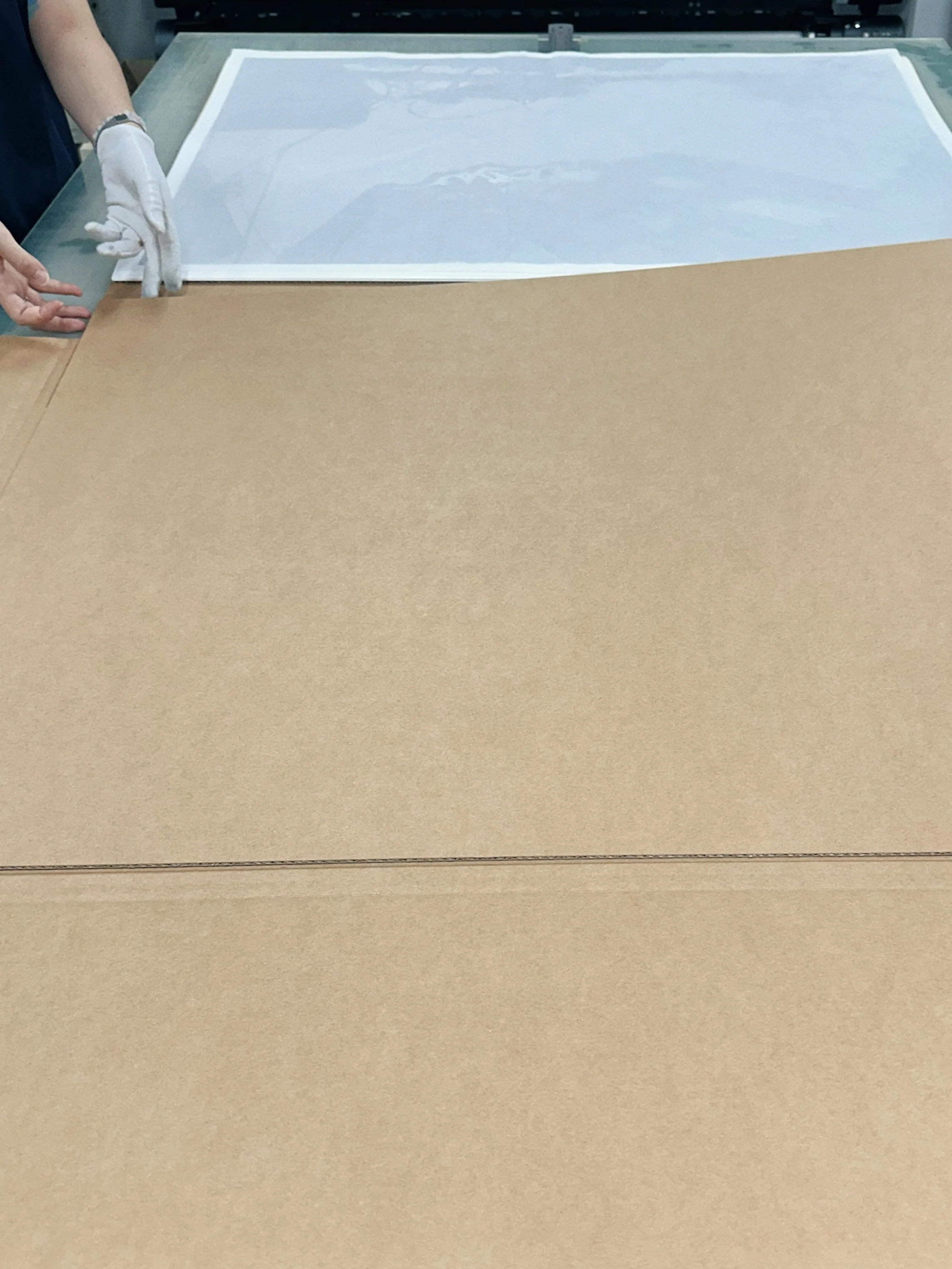
The large prints
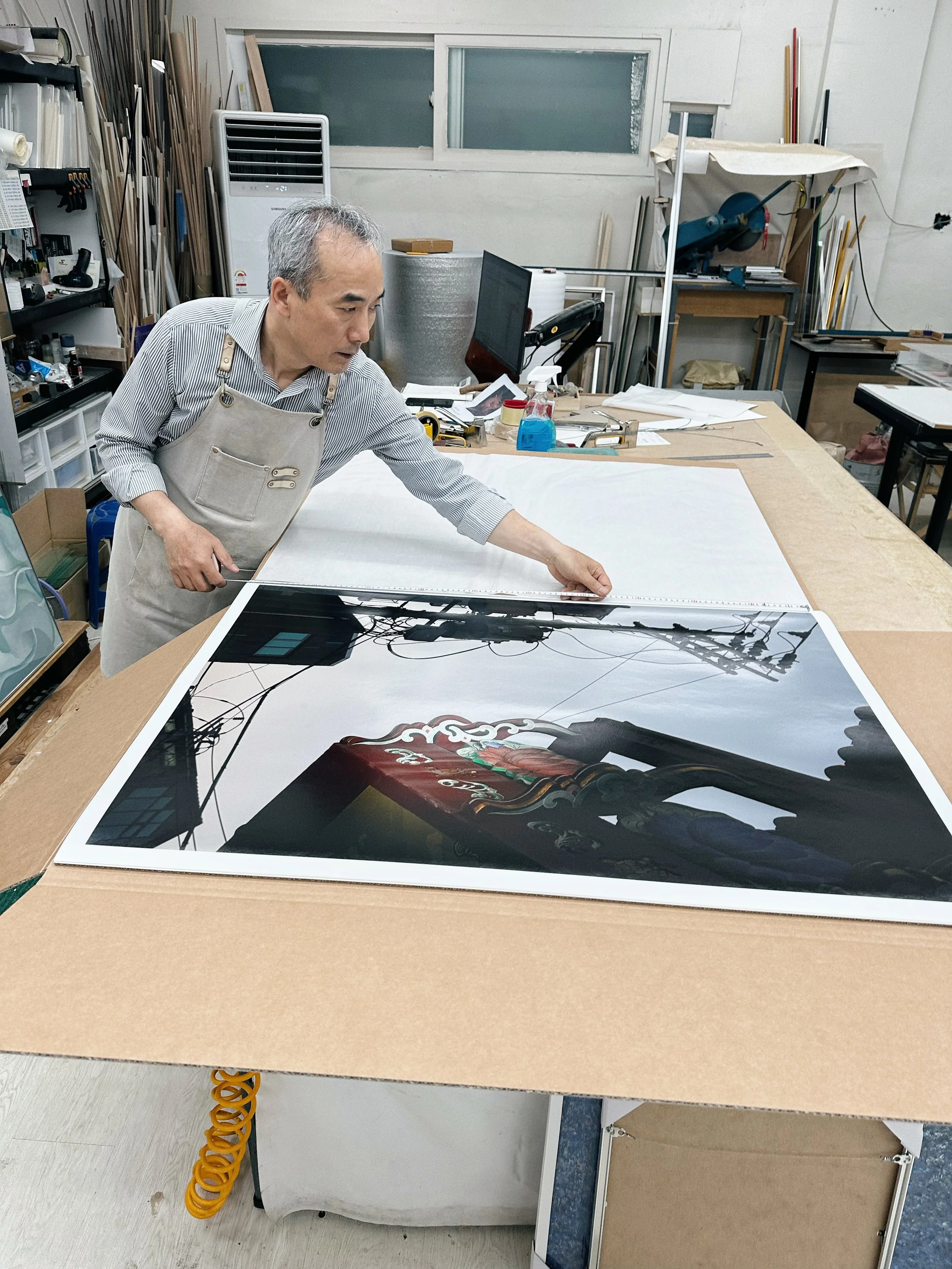
The large prints were ready at Image One this morning.
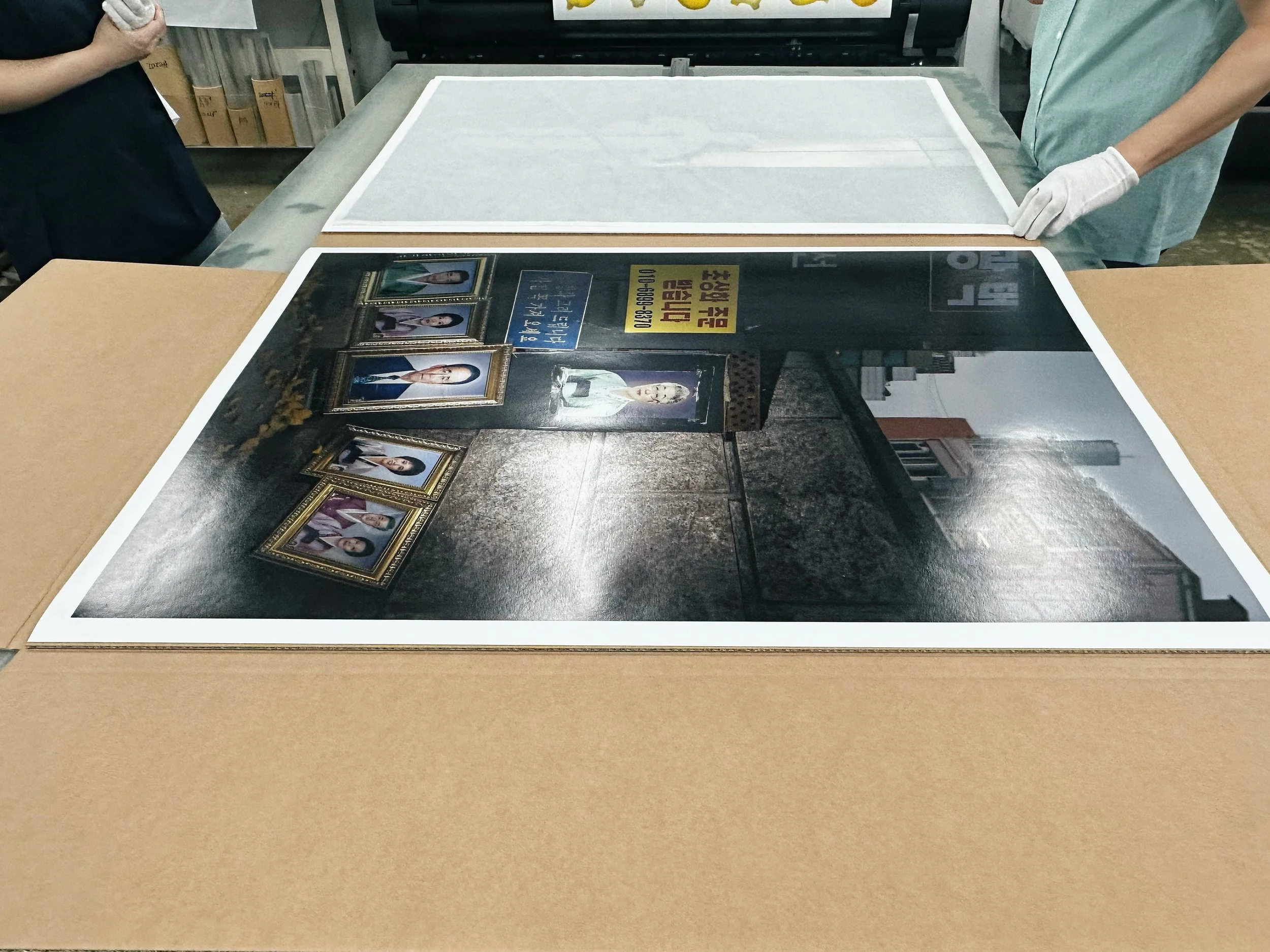
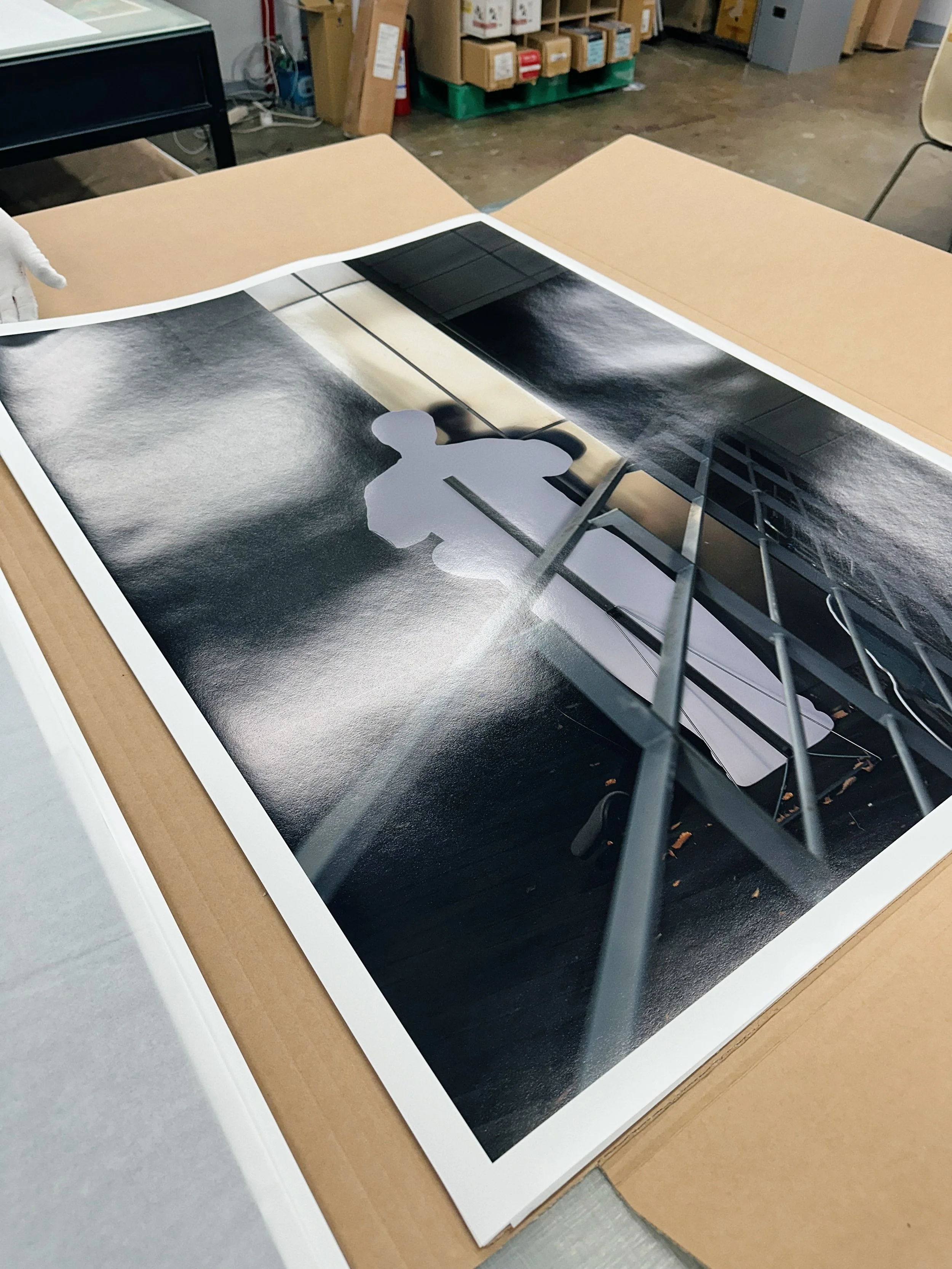
Next stop was the framer’s ~
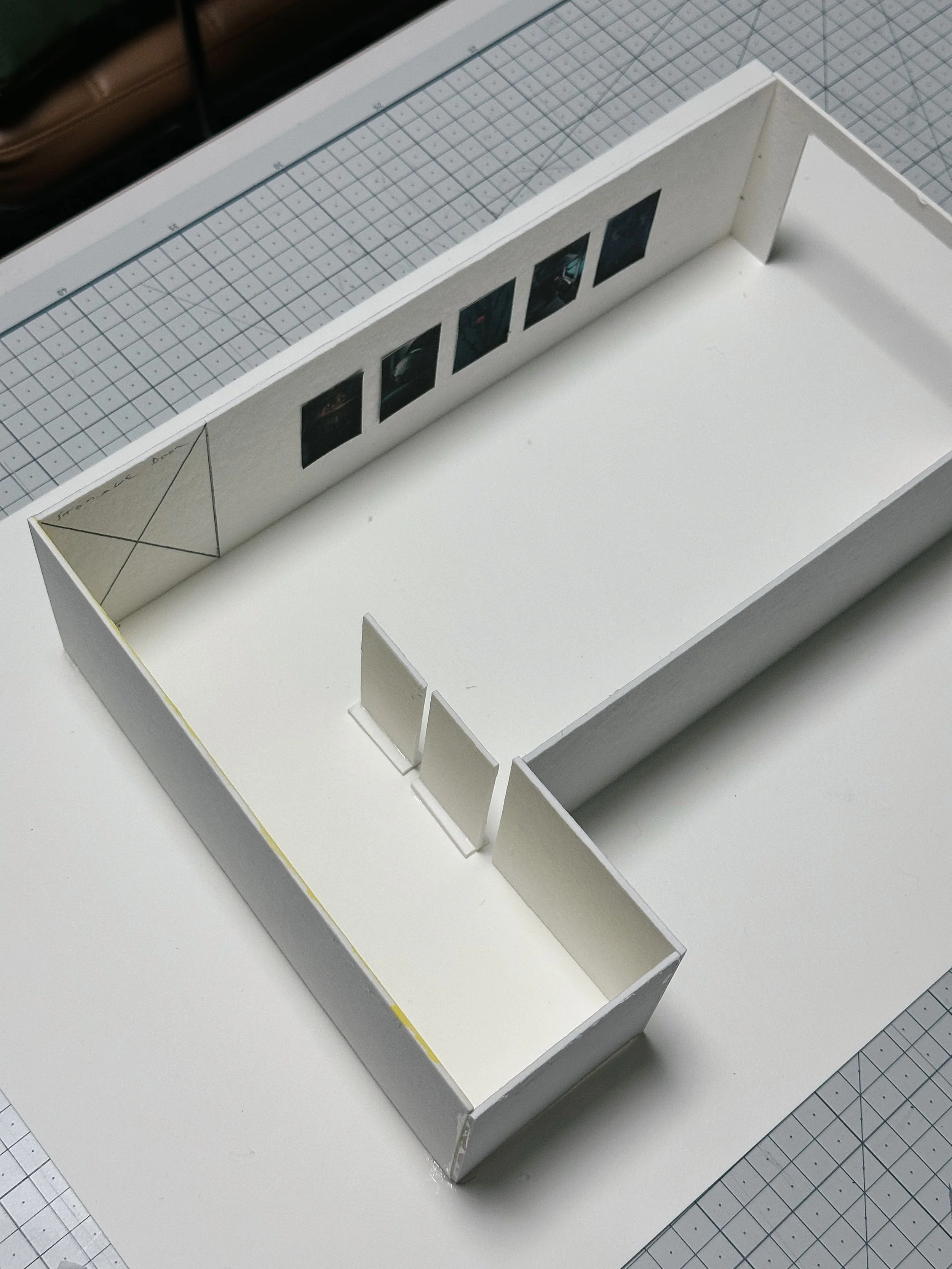
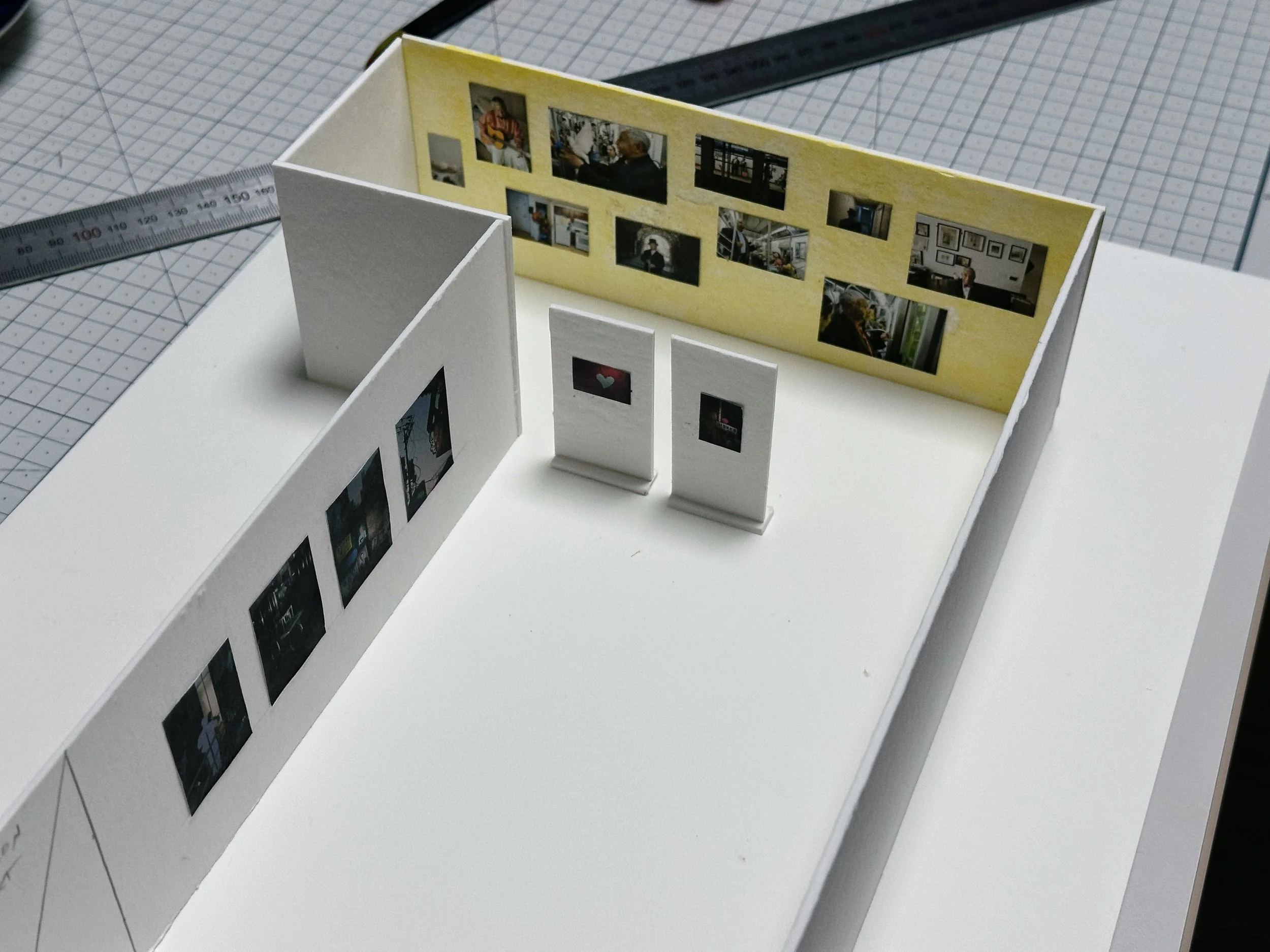
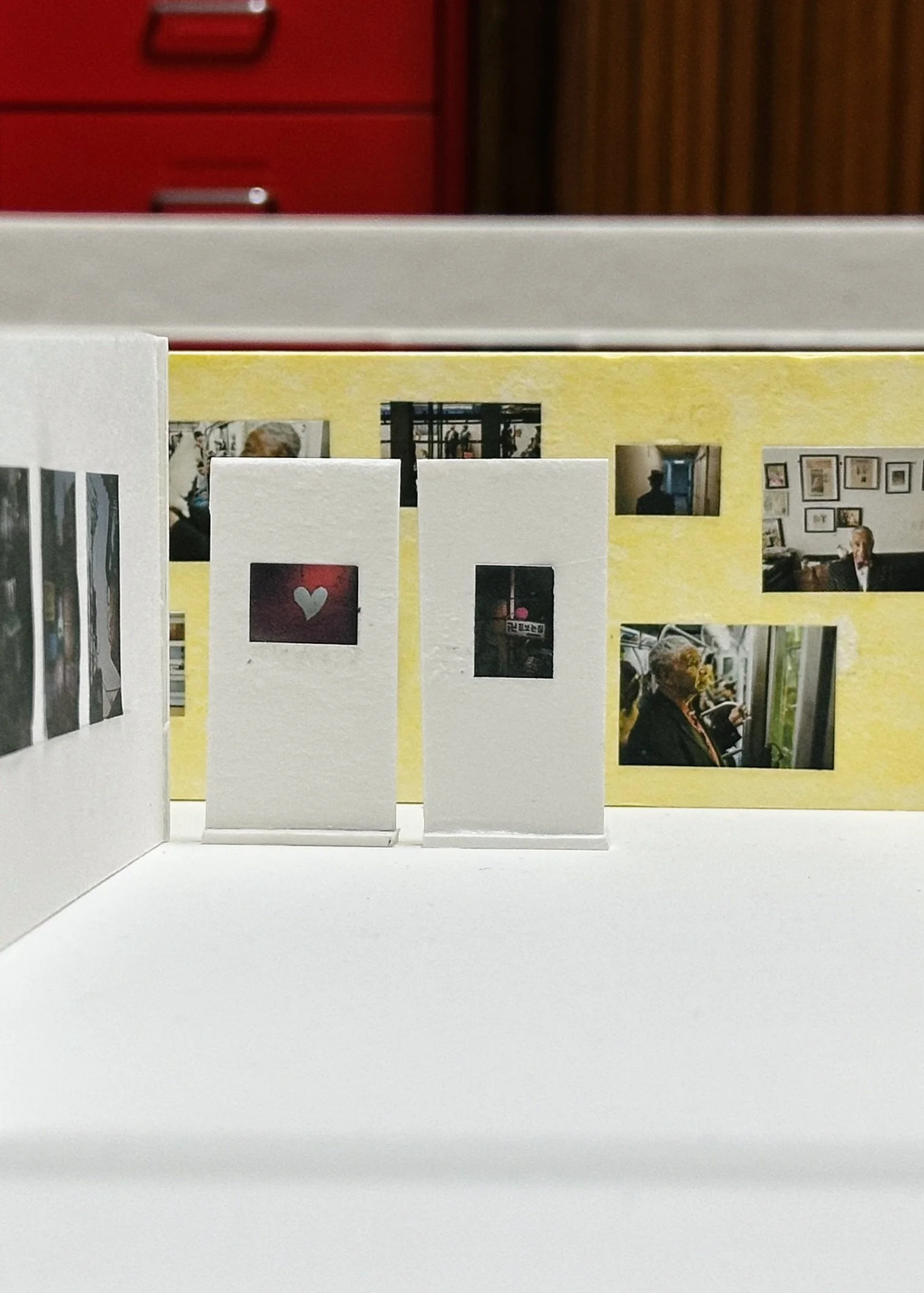
Maquette
Exhibition dreaming ~
I hold two Masters degrees from my Alma Mater School of Visual Arts New York City. An MFA in Photography and Related Media (1994) and an MPS in Digital Photography (2009)
Also, I was proud to serve as Faculty at MPS DP for ten years from 2011 until 2021, when our family moved from NY to Seoul.
So it feels like a homecoming to prepare for my upcoming solo exhibition at SVA Seoul Gallery, which opens one month from now on September 19th!
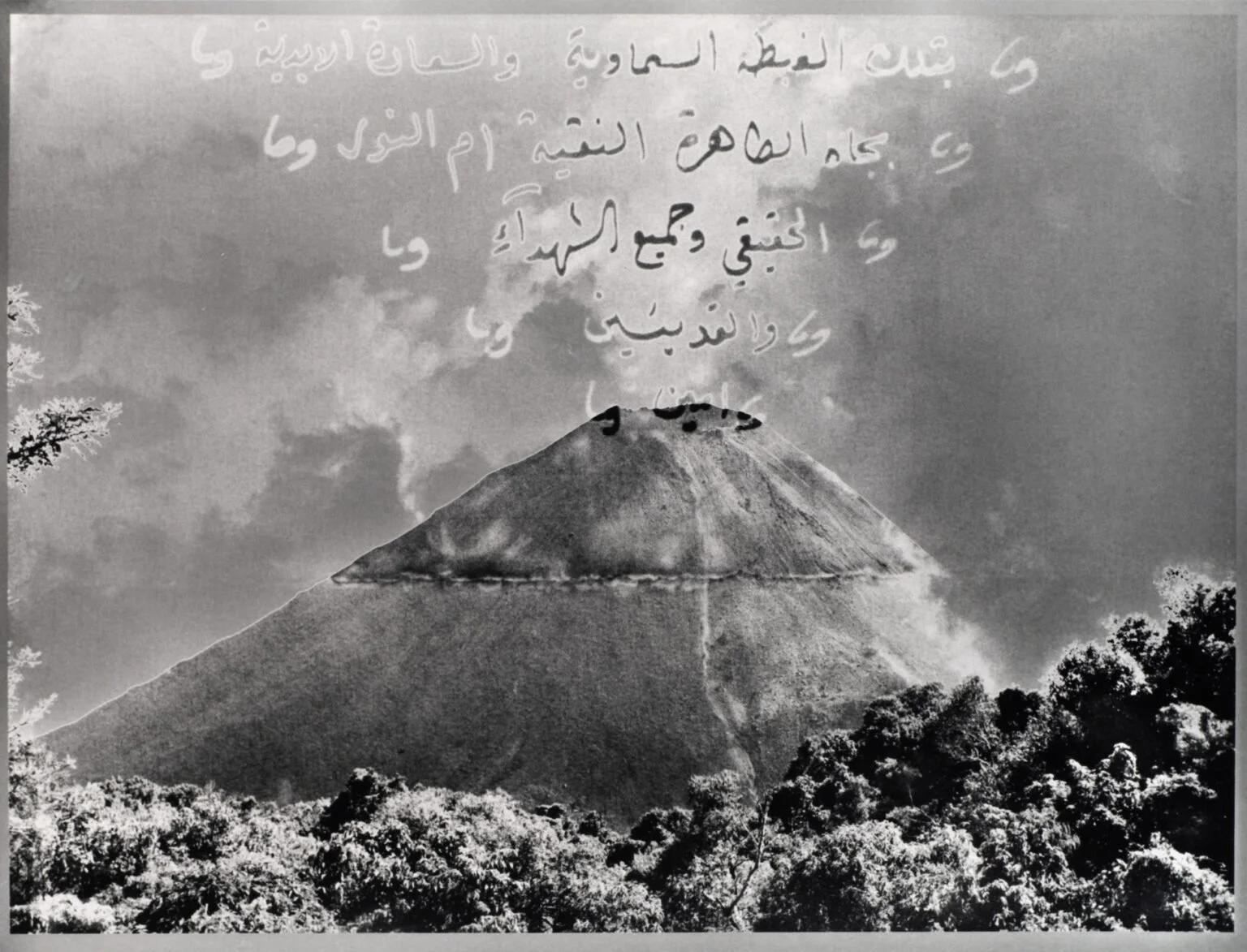
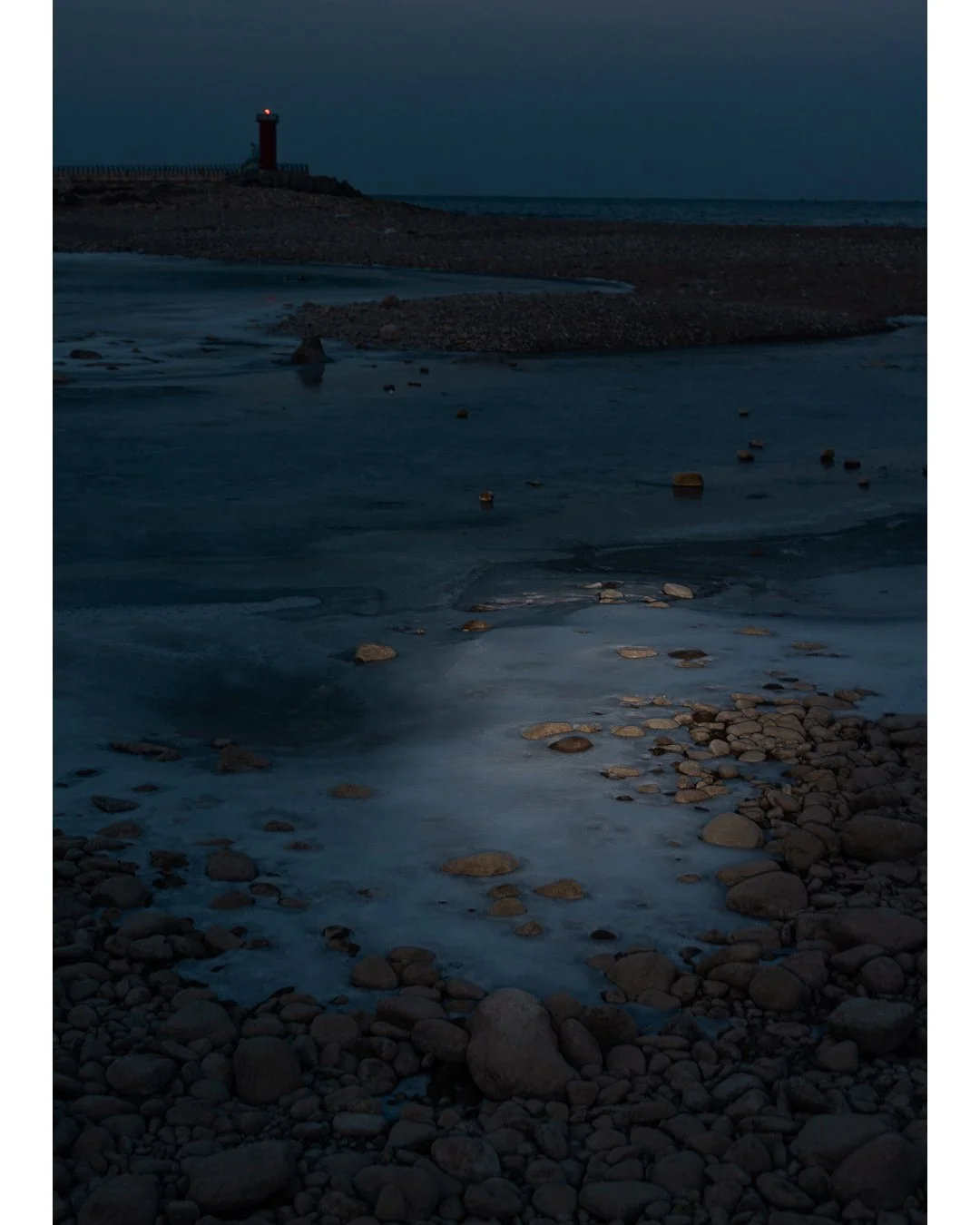
The show will feature works from my series Olmedini El Mago as well as my most recent series, BLINDNESS.
Save the date ✨
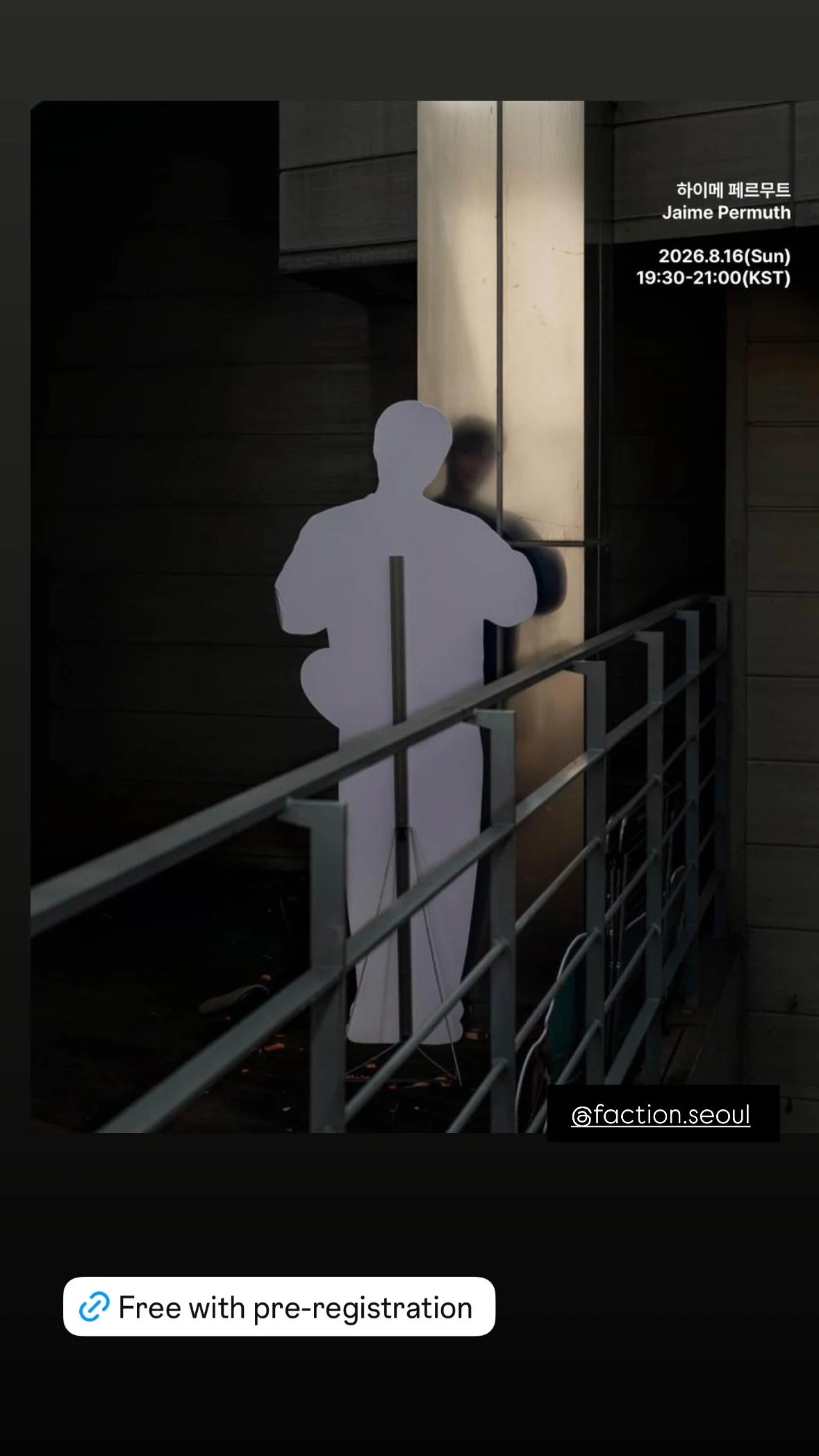
Artist Talk at Faction Seoul
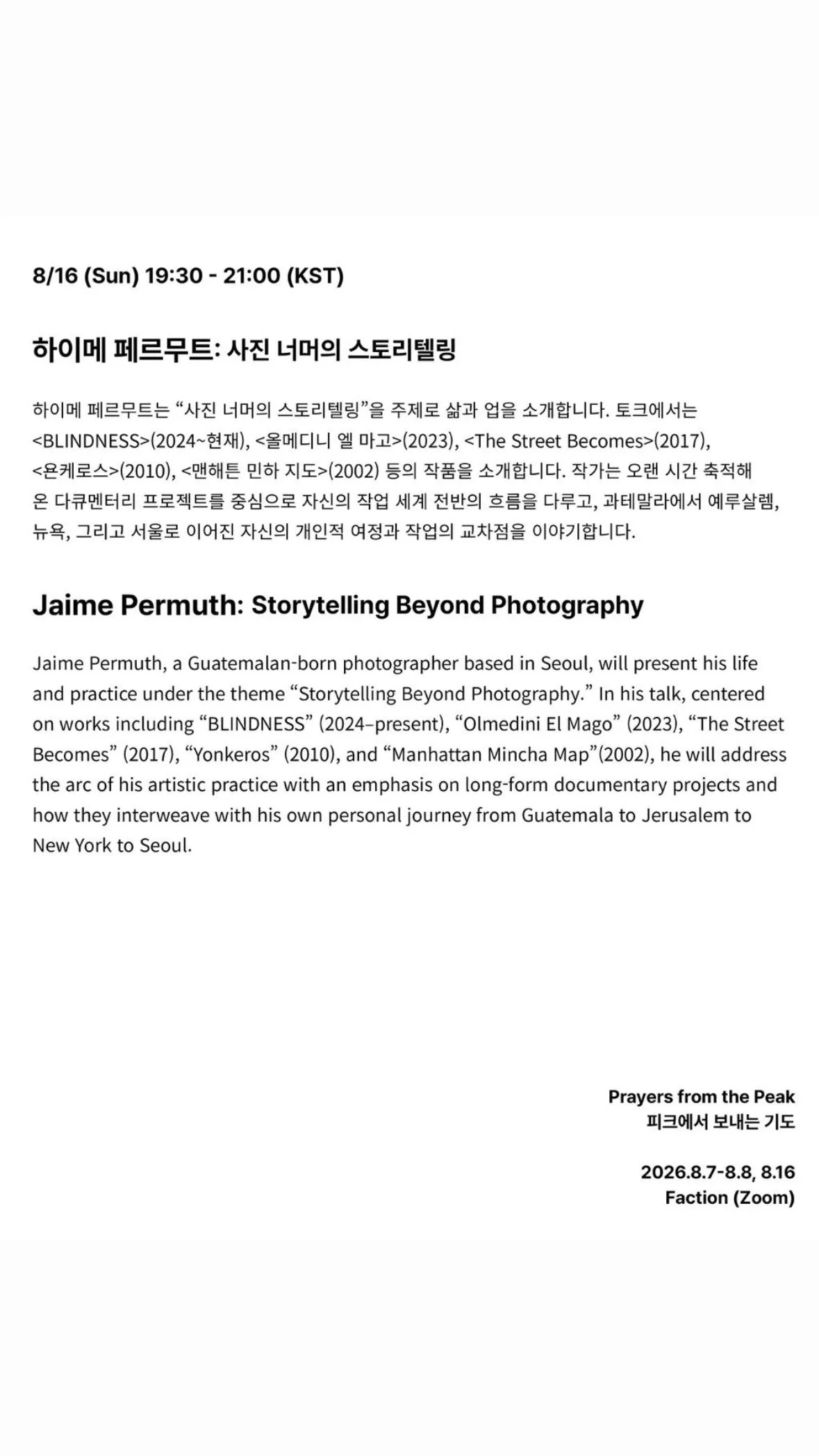
This coming Sunday 8/16 at 19:30, I am presenting an Artist Talk “Storytelling Beyond Photography” as part of Faction Seoul’s “Prayers from the Peak” series.
The talk is via Zoom, free with online pre-registration
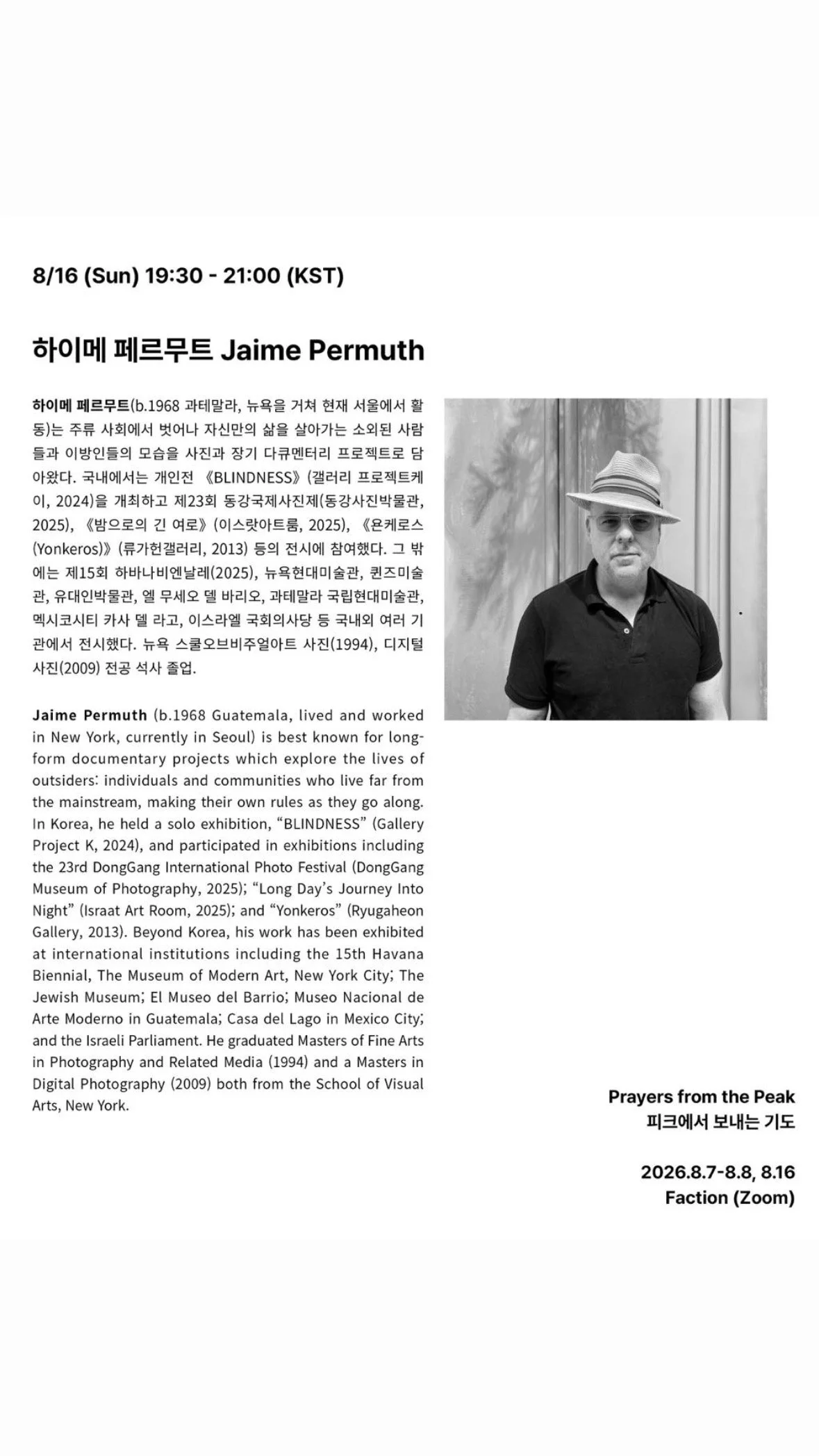
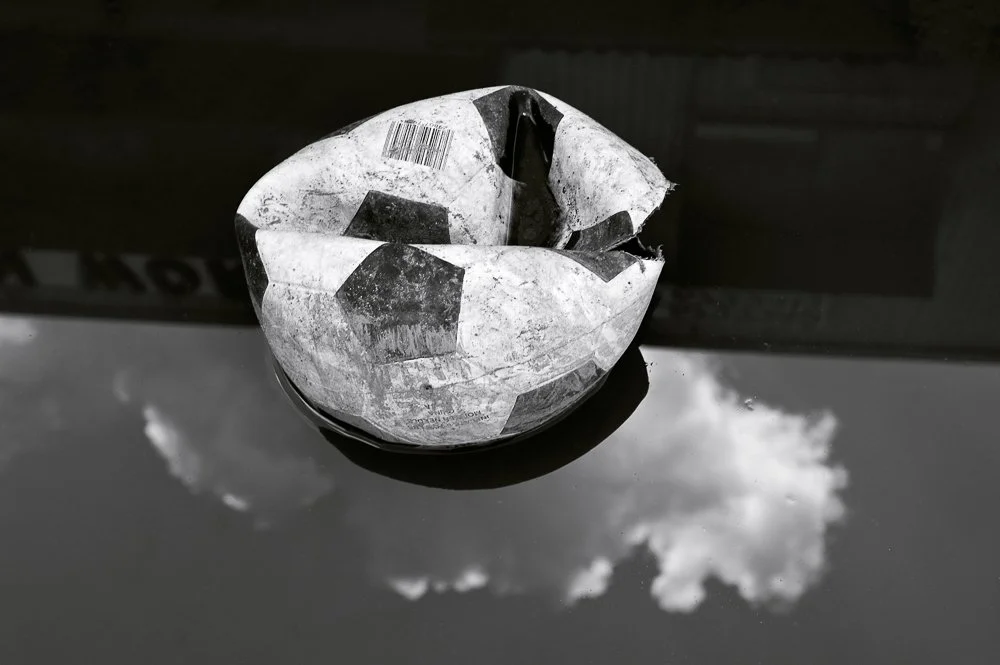
“Prayers from the Peak”
Recently, Faction Seoul extended an invitation for me to participate in their new program entitled “Prayers from the Peak”.
On August 9th I will be giving an Artist Talk on the theme of “Storytelling Beyond Photography”.
Last week, in a preliminary meeting, Curator Yerin Joo shared some of her guiding ideas for the program. I was particularly interested in her notion of “peak”, which refers not to a hard-won summit but rather to a turning point in one’s life and artistic practice. In other words, the emphasis is not on triumph per se, but on those junctions when our decisions reflect a desire to reach for a deeper sort of meaning and self-recognition. I asked about her notion of prayer as well. And she framed it as different than religious ritual. Prayer in this framework is the essential leap of faith with which one embarks on a new project.
When Yerin situated the talk as storytelling beyond photography, I understood it as an opportunity to explore an aspect of artistic practice which is seldom examined: where projects originate and how they weave together over time, speaking to the core identity and abiding concerns of an artist.
Over the next few days leading to the talk, I will share a few images on Instagram (@jaime_permuth) and a brief synopsis from each of the projects I plan to discuss at Faction:
Manhattan Mincha Map, YONKEROS, The Street Becomes, Olmedini el Mago and BLINDNESS.
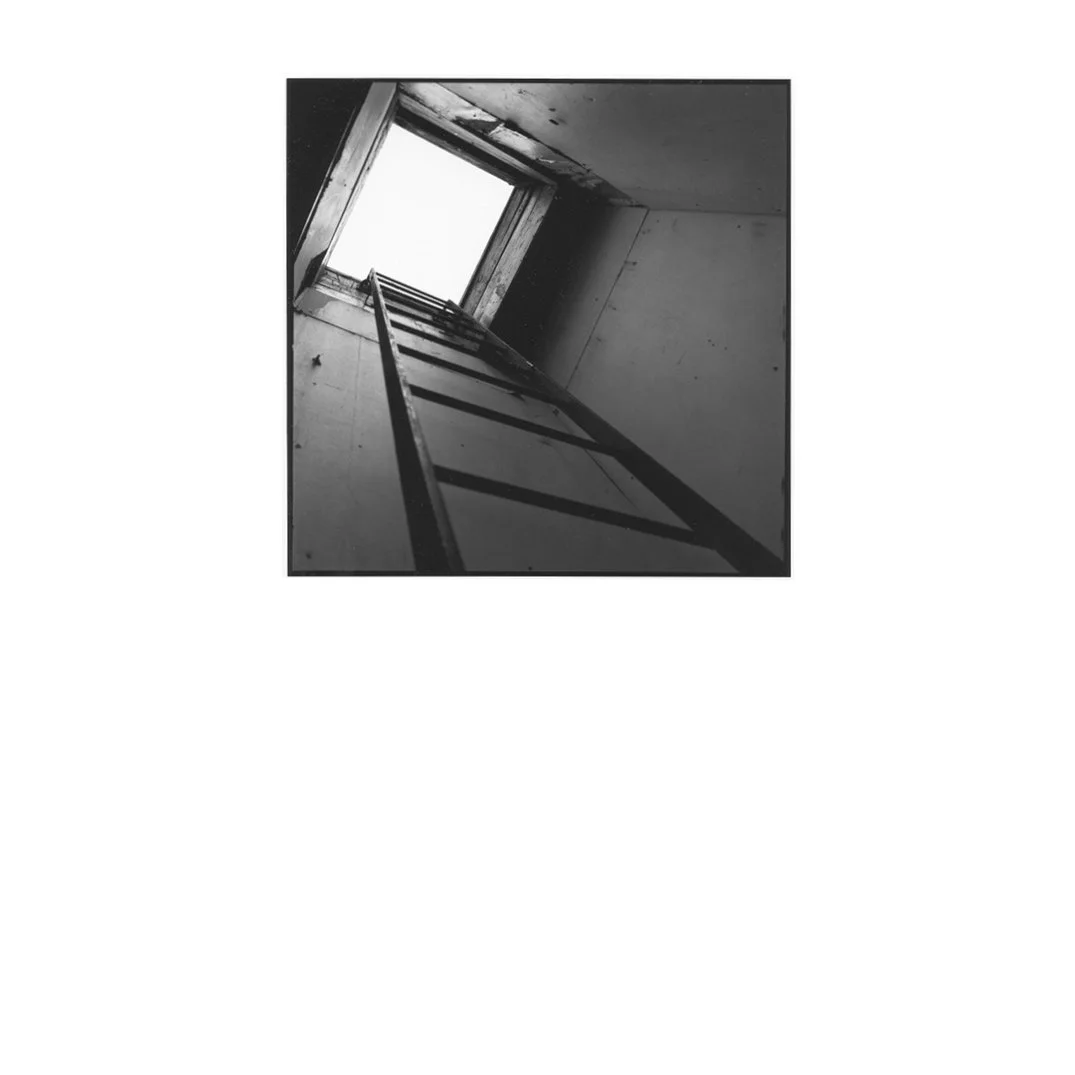
Ave A
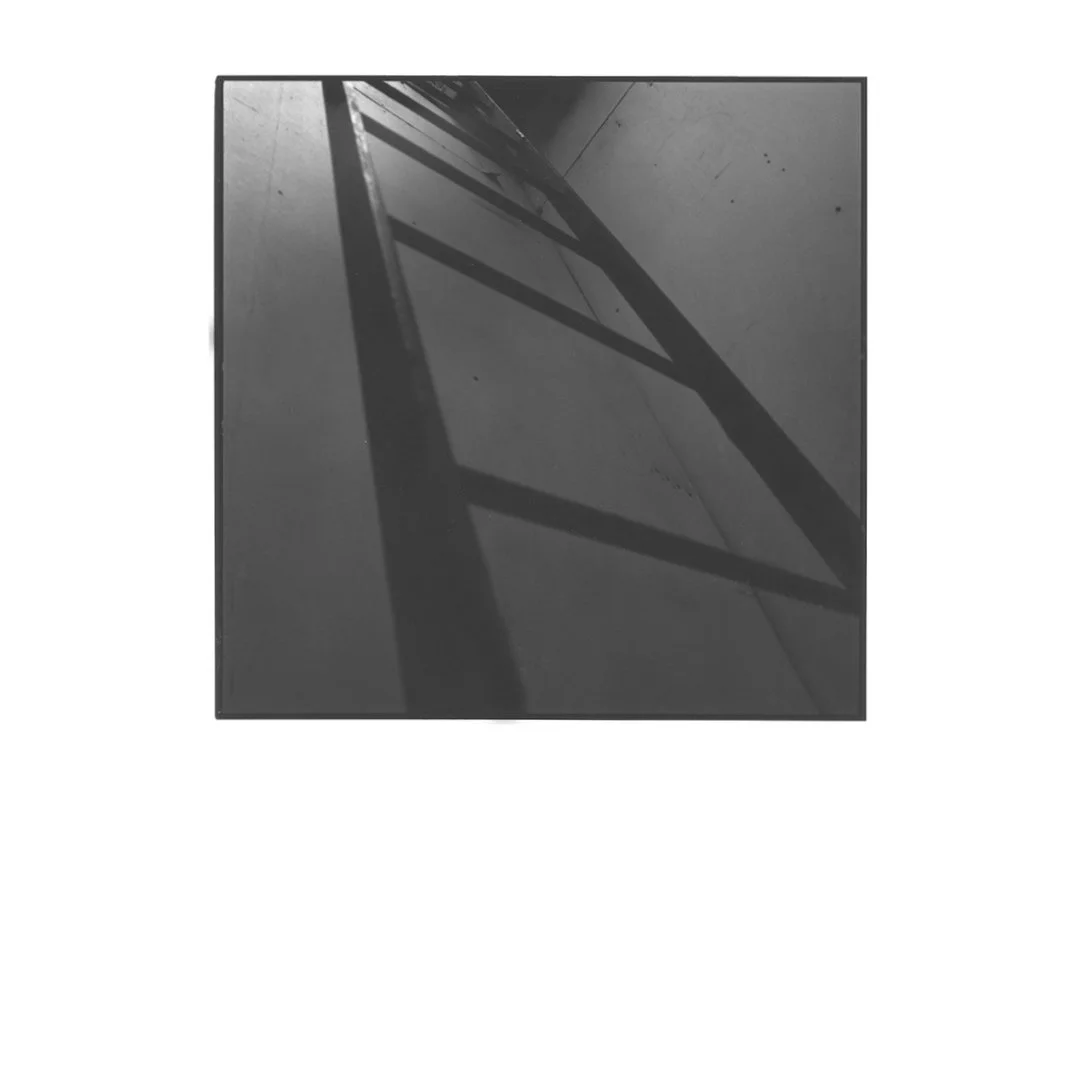
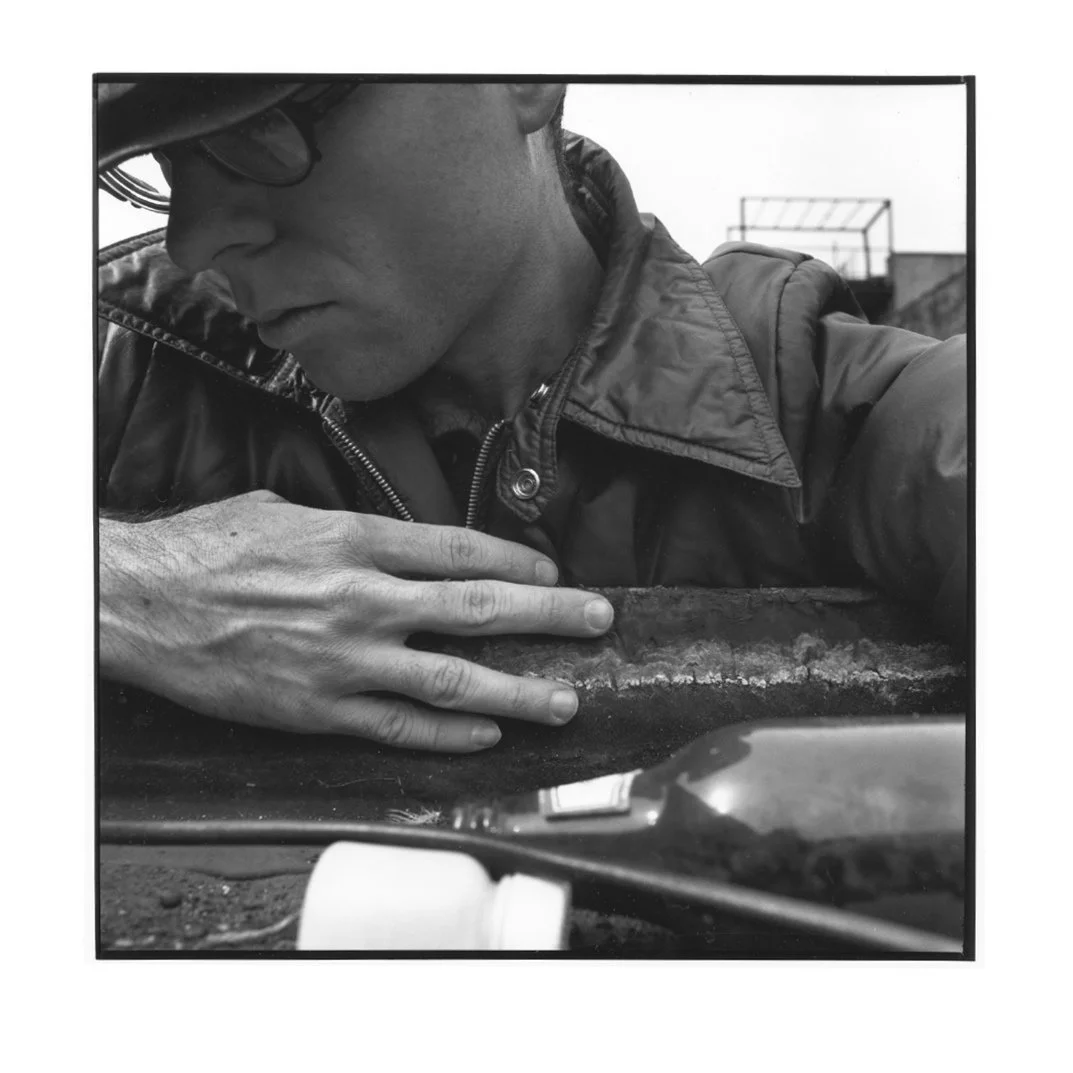
Our just released Gwanghapdan Art Collective’s Zine #26 was brilliantly edited by Hye-Ryoung Min.
As an editor, she came up with the concept and the look for the zine. Her prompt to us was to submit images from the time we were 26 years of age.
At that time, I had graduated from SVA’s MFA in Photography and Related Media and moved into an East Village loft two floors up from the Pyramid Club, on Ave A. I had three roommates I split the space with.
For money, I was printing for other photographers. First freelancing for fashion photographer Patrick Demarchelier. Then printing books and exhibitions for dance photographer Lois Greenfield. After that, I spent a couple more years printing books and exhibitions for Magnum’s Gilles Peress, before striking out on my own.
Throughout those years, I worked almost every day for other photographers. And when I finally had a day to myself, I would load my Hasselblad with Tri X and photograph my life and my circle of friends.
This triptych self-portrait was taken on the roof of our place on Ave A.
Seems like another lifetime now ~
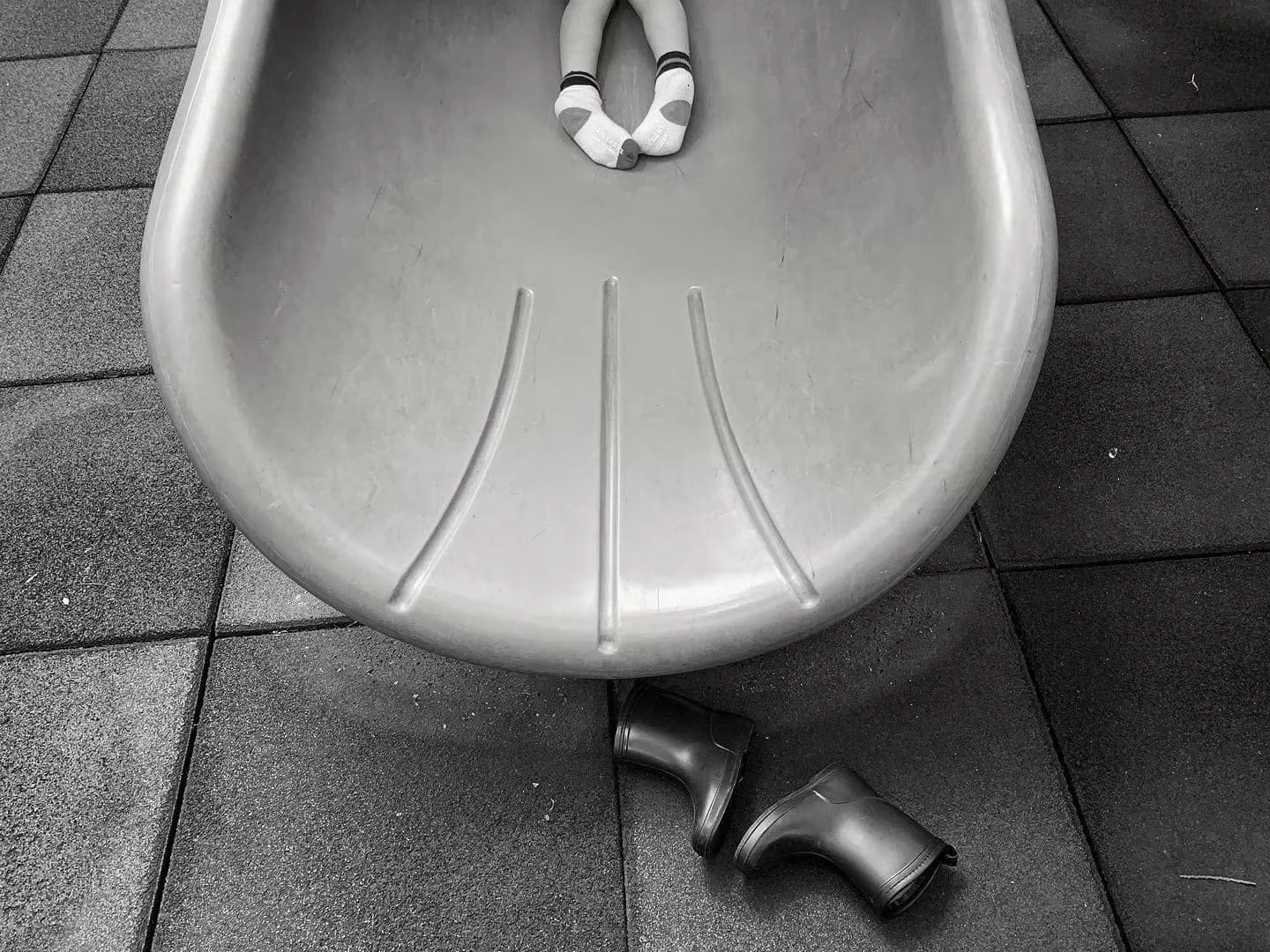
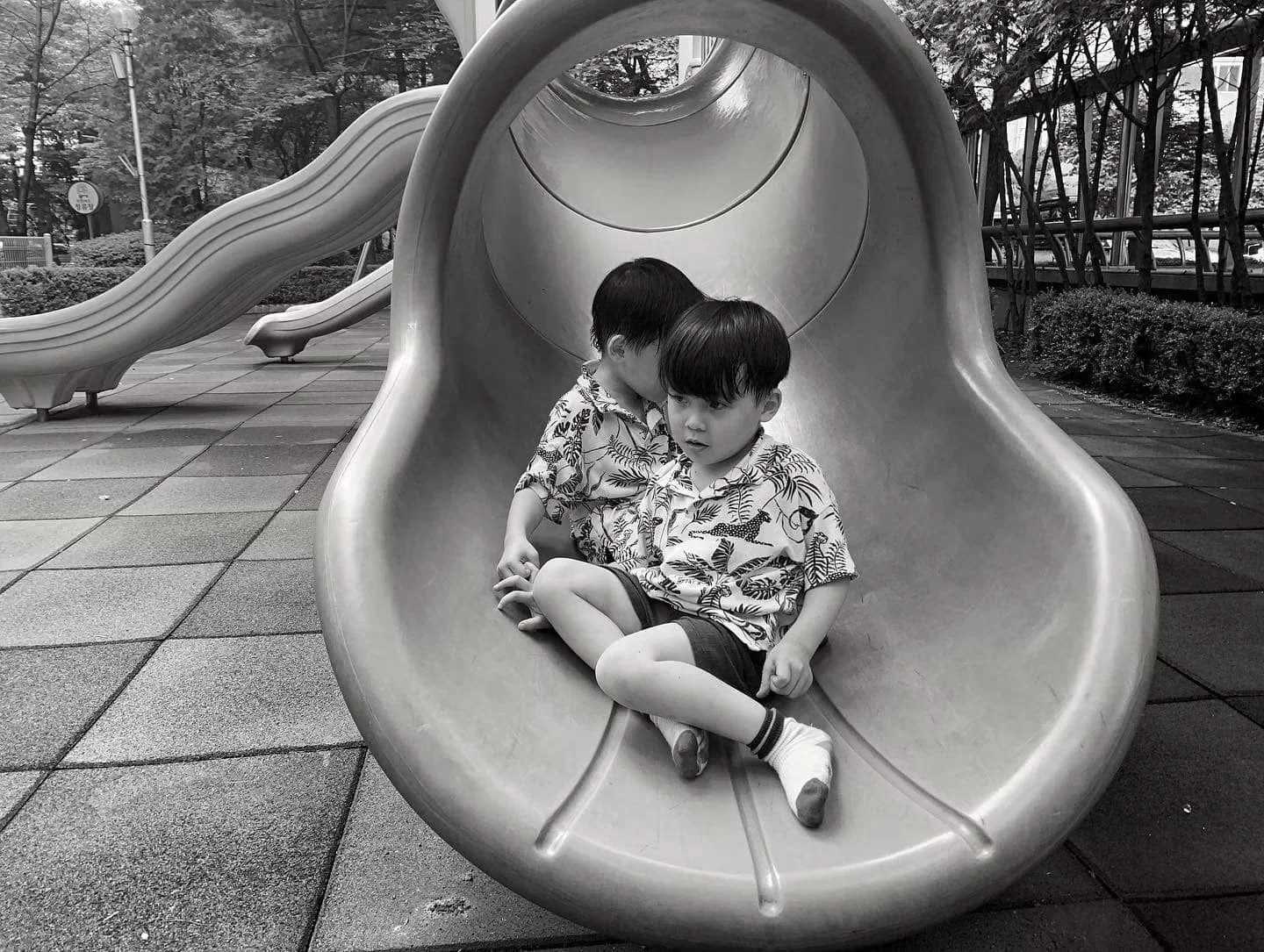
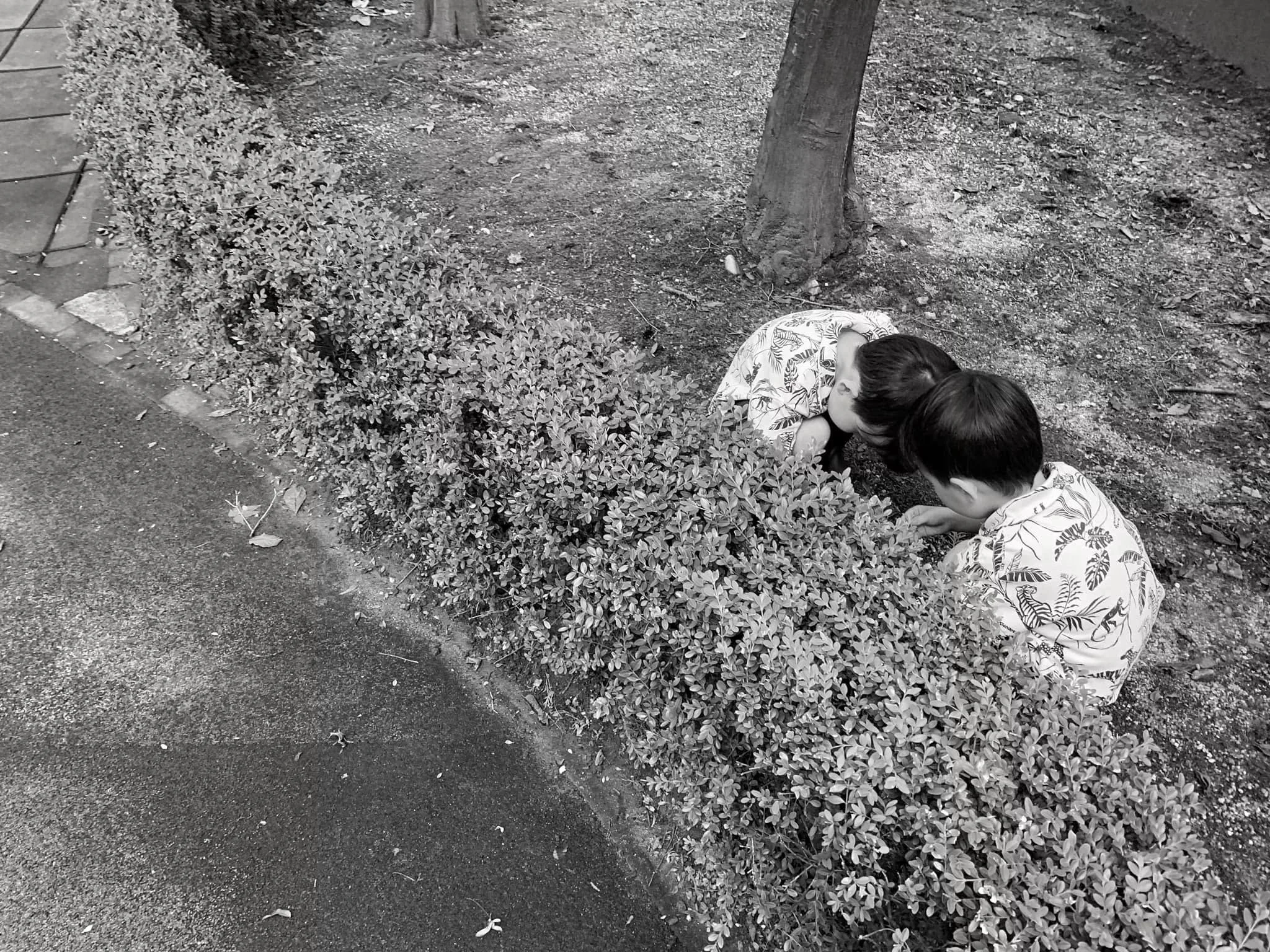
Not that much has changed
Four years ago, the world had finally emerged from the pandemic. Throughout the crisis, we had kept Olin and Luca very close and protected them as best as we could from contagion.
Initially, it was hard for us to start sending them to Day Care. Seeing the bus leave with them forced a couple of audible sighs from us before we slowly began walking back home.
But then, there was the joy and anticipation of greeting them when they returned in the afternoon. Those days, our first stop was always the neighborhood playgrounds.
Funny thing is when I look at these photos from 2022, I recognize the boys’ personalities immediately. In a sense, not that much has changed. And even back then, they would always bring their heads close together to examine an insect they had just caught.
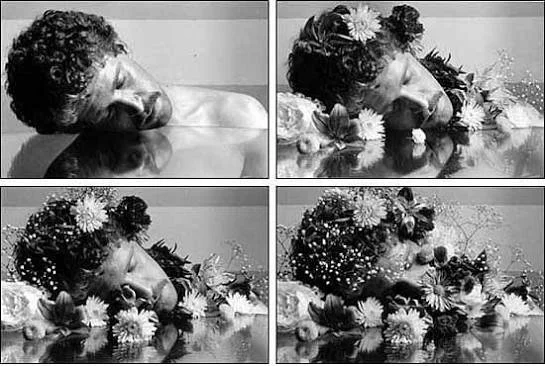
In Memoriam: Duane Michals
Duane Michals, “The Dream of Flowers”, 1986.
***
Somewhere I have a photo with Duane Michals, which was taken at New York Film Academy when I taught photography there and on the day Duane gave a hilarious and deeply inspiring talk to our students.
But I had first met Duane decades before when I myself was enrolled as an MFA student at SVA. At that time, I was freshly arrived in New York. Duane was conducting a weekend workshop and we were all thrilled to attend. There wasn’t a single one amongst us that did not admire him deeply as an artist.
However, the day before the workshop, Rodney King was dragged and beaten by a group of LA cops. Before leaving my apartment for SVA, I was glued to the news coverage of the LA riots and watched the city burning. I made my way to class with a heavy heart and full of misgivings.
Duane began his workshop by asking each of us to reveal a secret. As my classmates slowly opened up to him, I grew more and more upset. Why hadn’t anyone even acknowledged the turmoil on the West Coast? How could we sit and talk about intimate confessions instead?
When I did raise my hand, it was not to share a secret but to confront everyone in the room. I was rude as well and finally stormed out of the classroom and did not return.
Flash forward to NYFA many years later. After Duane’s talk concluded I walked over to him, introduced myself and offered a heart-felt apology for my behavior years back. Duane looked at me, placed a hand on my shoulder and leaned in: “Forget the apology. You owe me 100 bucks”. Then he clapped my back and we shared a big laugh.
Duane Michals, you were always larger than life and your beautiful work will forever be an inspiration. Thank you for so much.
Muriel Hasbun, In Memoriam
Con lágrimas en los ojos y el corazón destrozado me entero de tu fallecimiento, Muriel, amiga y colega de tantos años. Verte fué siempre sonreir. Y admiré - y seguiré admirando - la tenacidad y ternura con que tu espíritu buscaba reconciliar lo irreconciliable en nuestra humanidad. Nos queda el legado de tu bellísima y profunda obra. Gracias por tanto Muriel.
Sweden of the mind
Last night I dreamt of a man who had my build and features but lived on the rugged coast of Sweden. He enjoyed nothing better than taking long walks on the shore, in a battered army jacket. A tin of Dutch cigars, a pocket knife, and book of poetry nestled in its ample pockets. He walked with a hand carved wooden staff, even though he didn’t really need it. A dog followed close by, everywhere he went.
Like me the man was a photographer and a member of a small artist collective.
Unlike me, he was a life-long bachelor, although it was rumored he had fathered children to different women in several Scandinavian cities.
The town folk called him Melmud.
Today, when I woke up, I tried to say good morning to my family in Swedish. Strangely enough, all I could manage was to say it in English ~
Artist Book
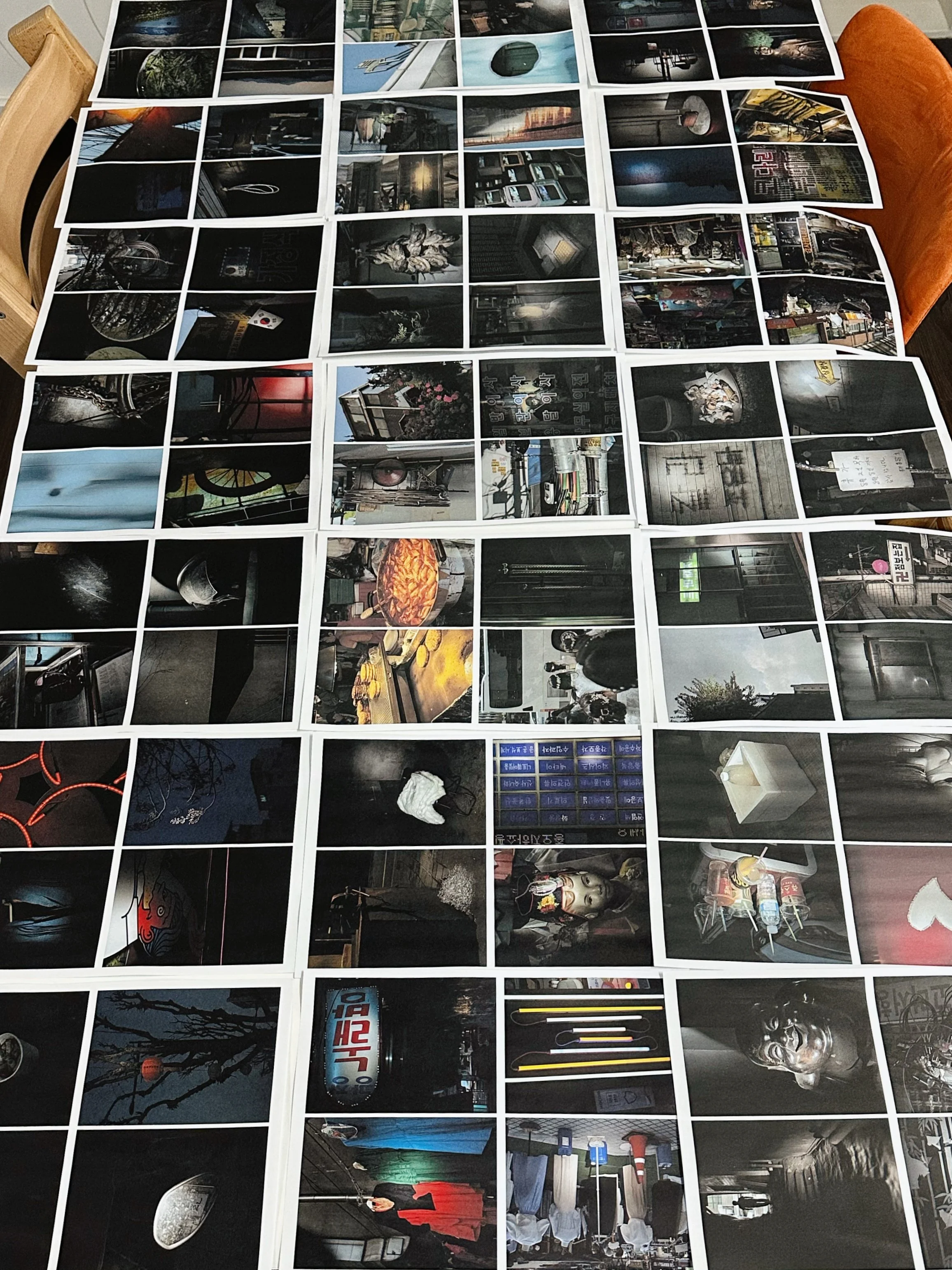
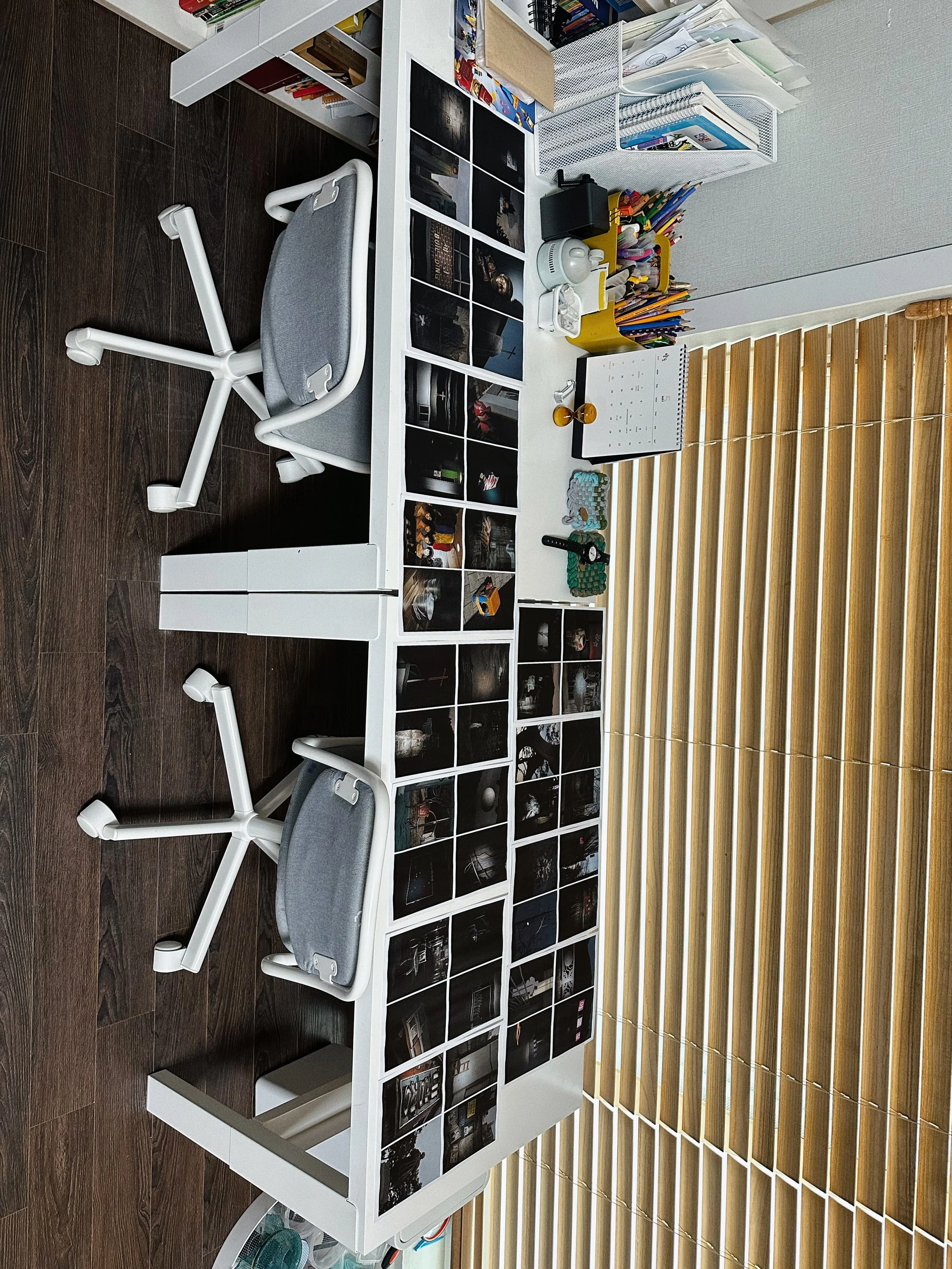
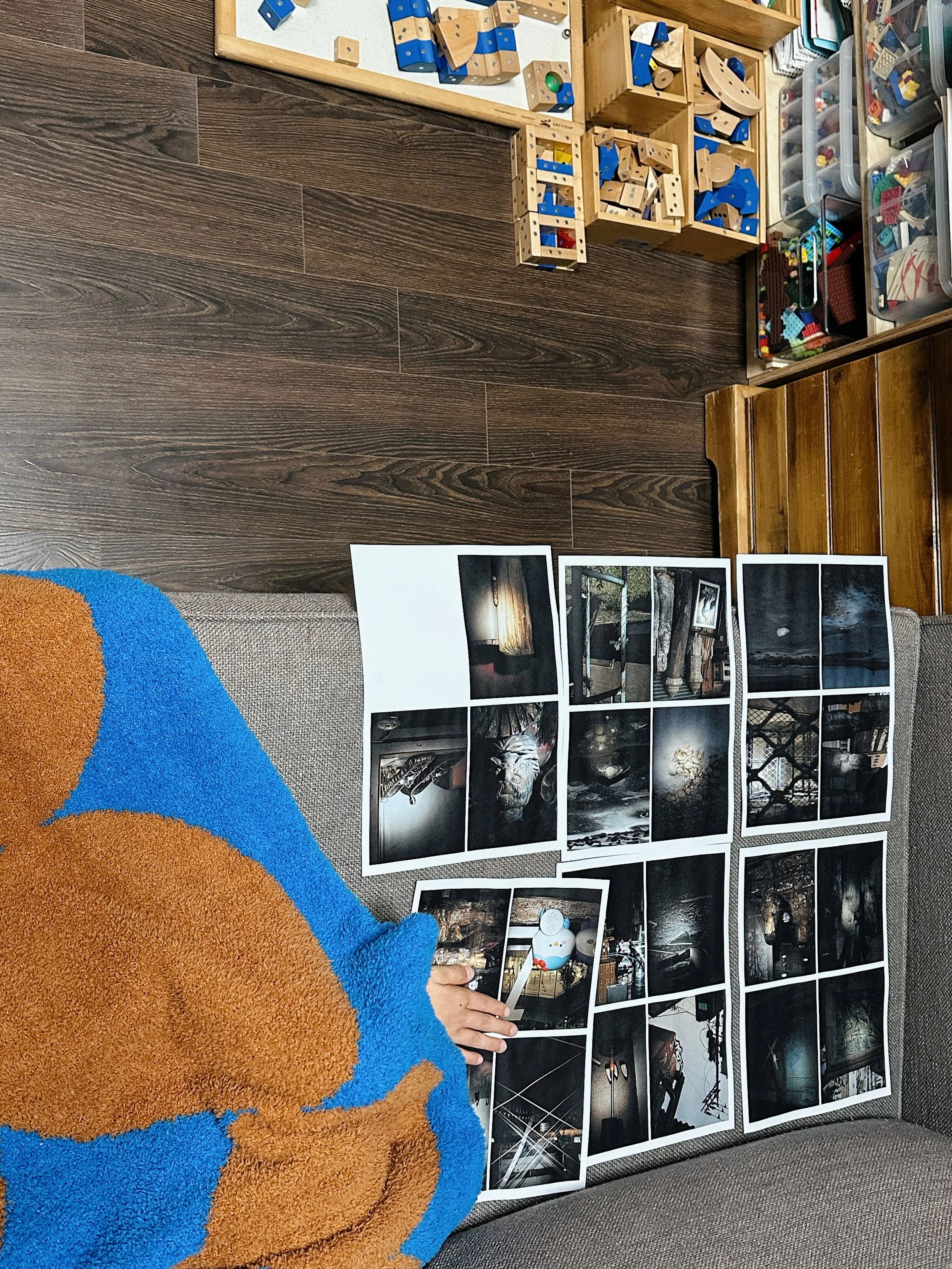
Up at 5AM making quick contact sheets of 155 photos I am considering for the BLINDNESS Artist Book I am working on.
Every flat surface in the living room and kitchen covered with ink drying on paper.
My assistant showed up around 7AM but not exactly ready for work ~
Seminar
After graduating high school in Guatemala, I attended Hebrew University in Jerusalem, on a scholarship. My parents, like so many other Jewish parents, wished college would be my passport to a solid profession and a meaningful and comfortable life. With their approval, I chose Psychology as my major.
I spent the first year studying Hebrew and my second year attending Psychology lectures, which were entirely in that language. Hebrew U had a dual major system. I chose English Literature as my second major, partly because of the ease of studying in a language in which I was truly proficient.
As it turned out, the experience of Literature studies completely altered my sense of self and my understanding of the essence of the human condition. Particularly, the intimacy of small seminars, where six or seven adults would sit together and pore over a text for hours on end.
By the time I graduated, I knew that I wanted to work in the arts, as a photographer. All of my parents’ carefully laid plans and all of their expectations for me were upended.
It took them many years to accept my decision.
***
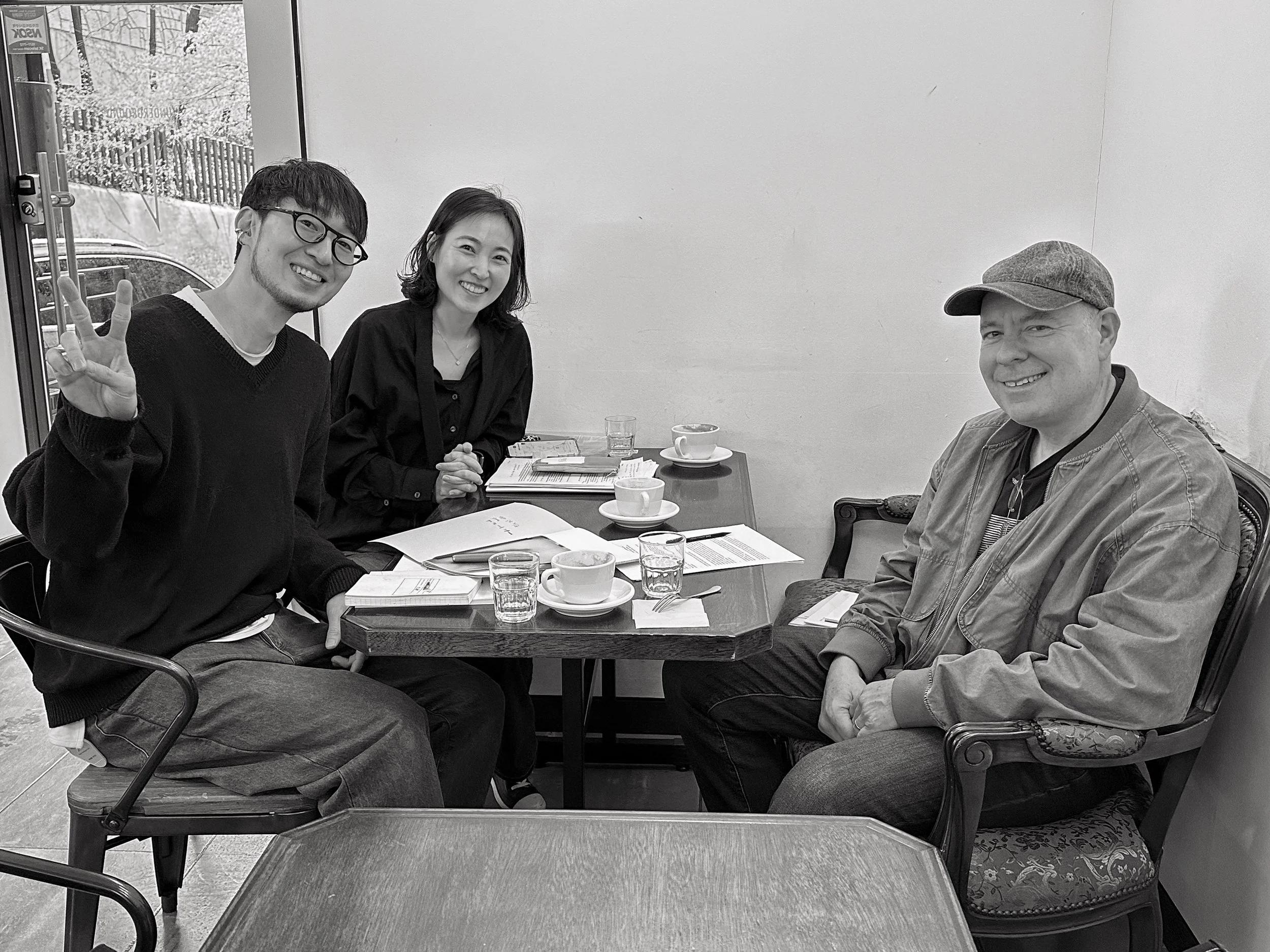
Yesterday, I had the opportunity to sit with two supremely talented writers, Nare Lim and Hwon Lee, to help me prepare an essay for publication. I felt honored and deeply humbled. I was also tremendously inspired and encouraged by our conversation. I left with a greater sense of clarity and direction for how to refine my first draft.
The experience also brought back a flood of memories of my younger days in Jerusalem, losing myself to the intoxication of literature.
The great divide
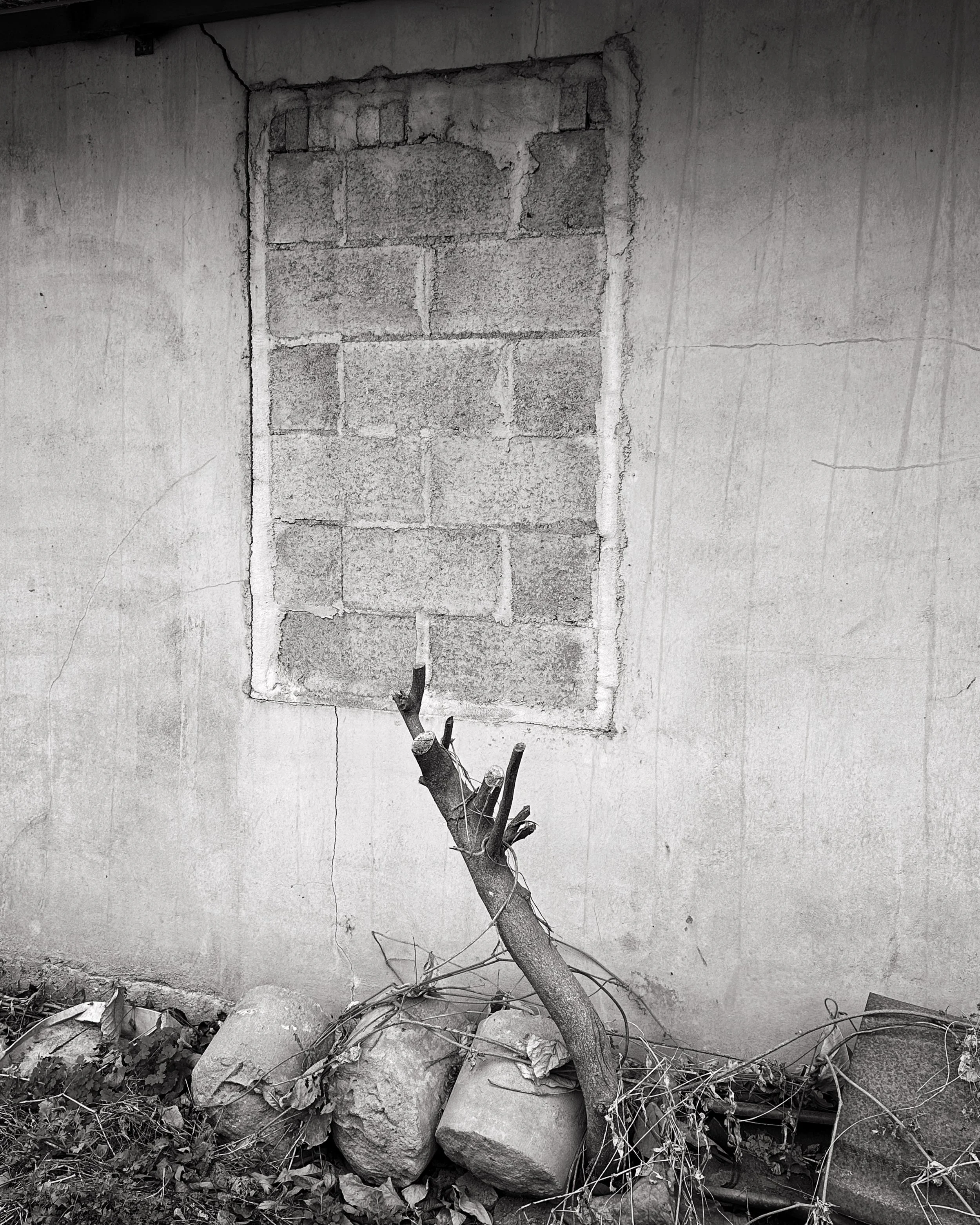
The first thing that parenthood teaches you is selflessness. Nothing comes before the needs of a newborn. But as my babies learn to walk and eat on their own, as toddlers playfully grow into boys who spend most of their day at school, I begin to journey back into my own early memories.
My childhood is so very distant in time and place: Guatemala, in the 1970s, torn apart by civil war. Growing up, I studied martial arts for self-defense and I learnt how to shoot all kinds of guns, perfecting my marksmanship on weekends.
I was good at holding my liquor long before I was out of my teens.
Books, bicycles and cameras were my favorite companions.
I was a Jew in a majority Catholic country.
***
Luca and Olin were born in New York and are being raised in Korea.
Most days, I feel like a hopeless outsider here; I wonder how I can even begin to guide my kids in a cultural landscape so different than my own.
How deeply can parents really penetrate the inner workings of their children’s selves?
Can they truly grasp the trials and tribulations of their young hearts, their hopes and fears?
***
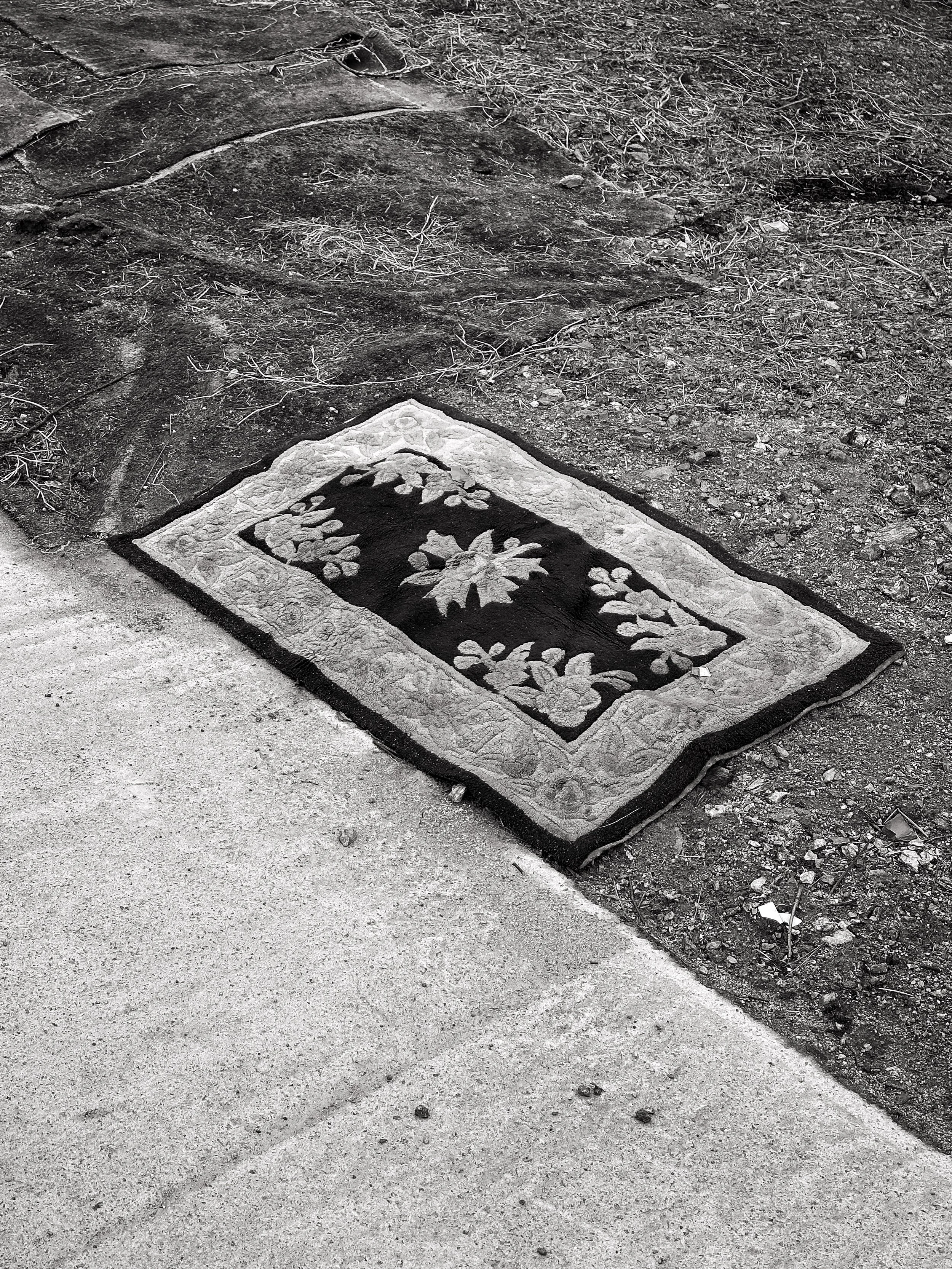
It’s a beautiful spring evening, perfect for a slow walk home. But my mind is troubled, restless and uneasy as I make my way there.
What can the long-ago Guatemalan boy say to the twin boys about growing up? Will his experiences feel relevant, hold value and make sense to them?
What will happen when Olin and Luca reach that point of no-return, the digital divide, and encounter the endless stream of the world through a screen?
What will AI whisper in their ears? How far away will they drift from us?
How long can us, their parents - who grew up with rotary phones - possibly hold that day off?
***
It seems like today I have no answers, only questions.
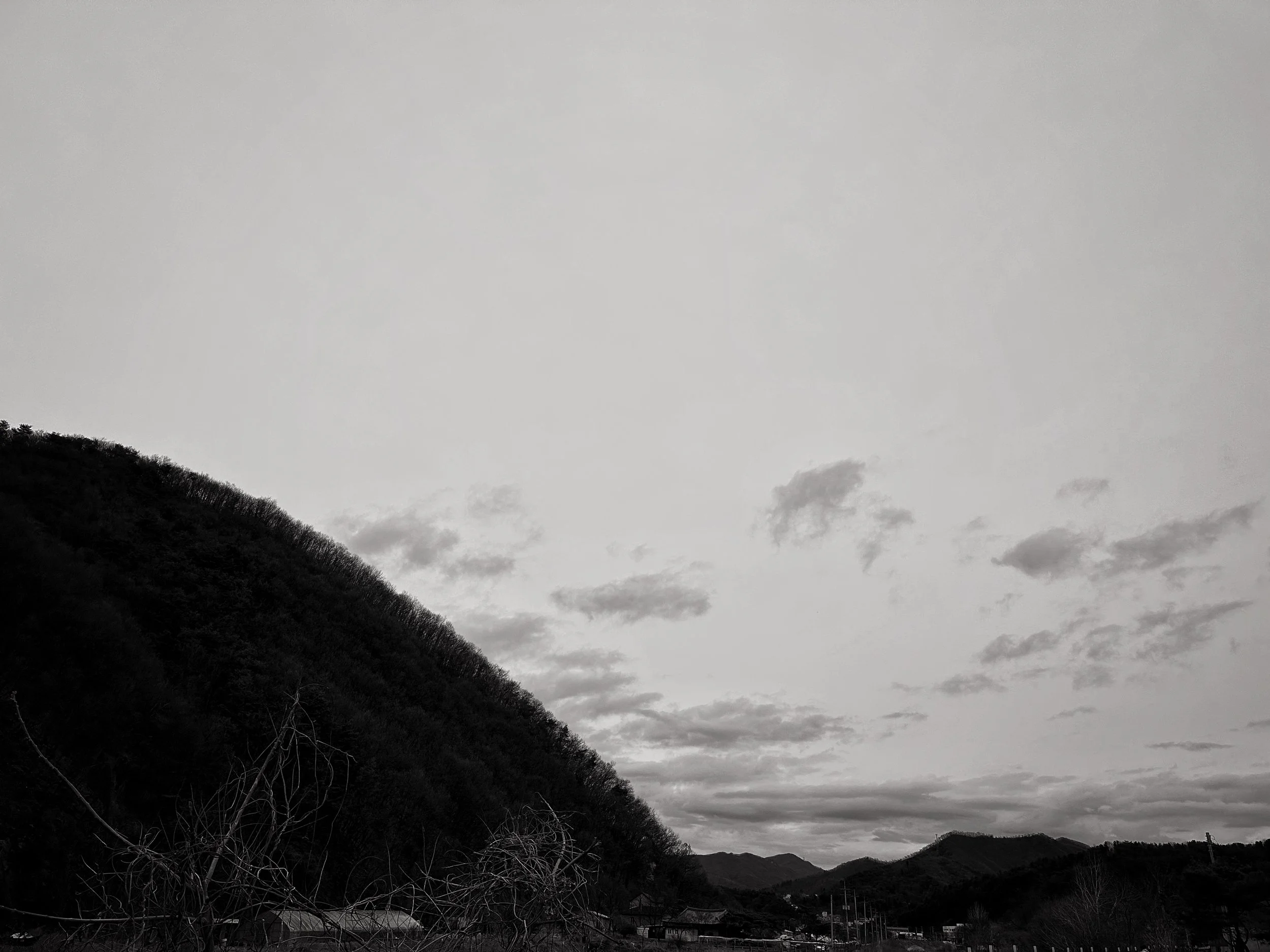
But the dimming light over the mountains has finally had a calming effect; the crisp, country air is bracing too.
Unseen Book Fair at Nederlands Fotomuseum
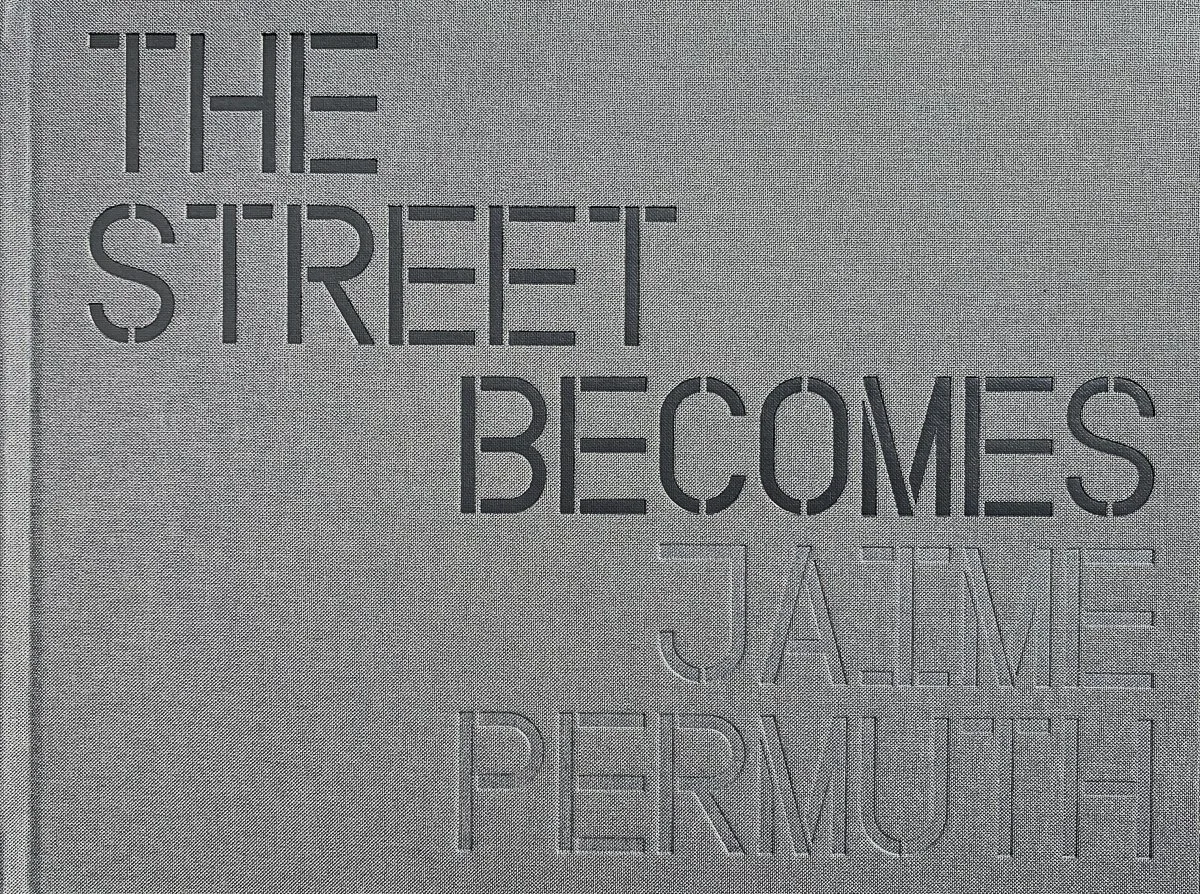
In 2021, my monograph The Street Becomes was published by Meteoro Editions in Amsterdam.
The book explores the changing character of the urban street in times of war and peace.
The Street Becomes is entirely based on archival images by other photographers. One part of the images comes from the private archives of local Washington DC photographers who documented the Latino Festival during the 70s and 80s. The second part comes from the US Marine Corps archives and documents the American military occupation of Central America and the Caribbean in the early 20th Century. My artistic intervention and repurposing of these source images suggests new meanings for the street and examines the kind of contests that are predicated on overtaking and controlling public spaces.
To put it bluntly, I’ve lost track of how many wars have overtaken the streets of different countries since the book was published. And I fear we’re inching ever closer to a world conflagration.
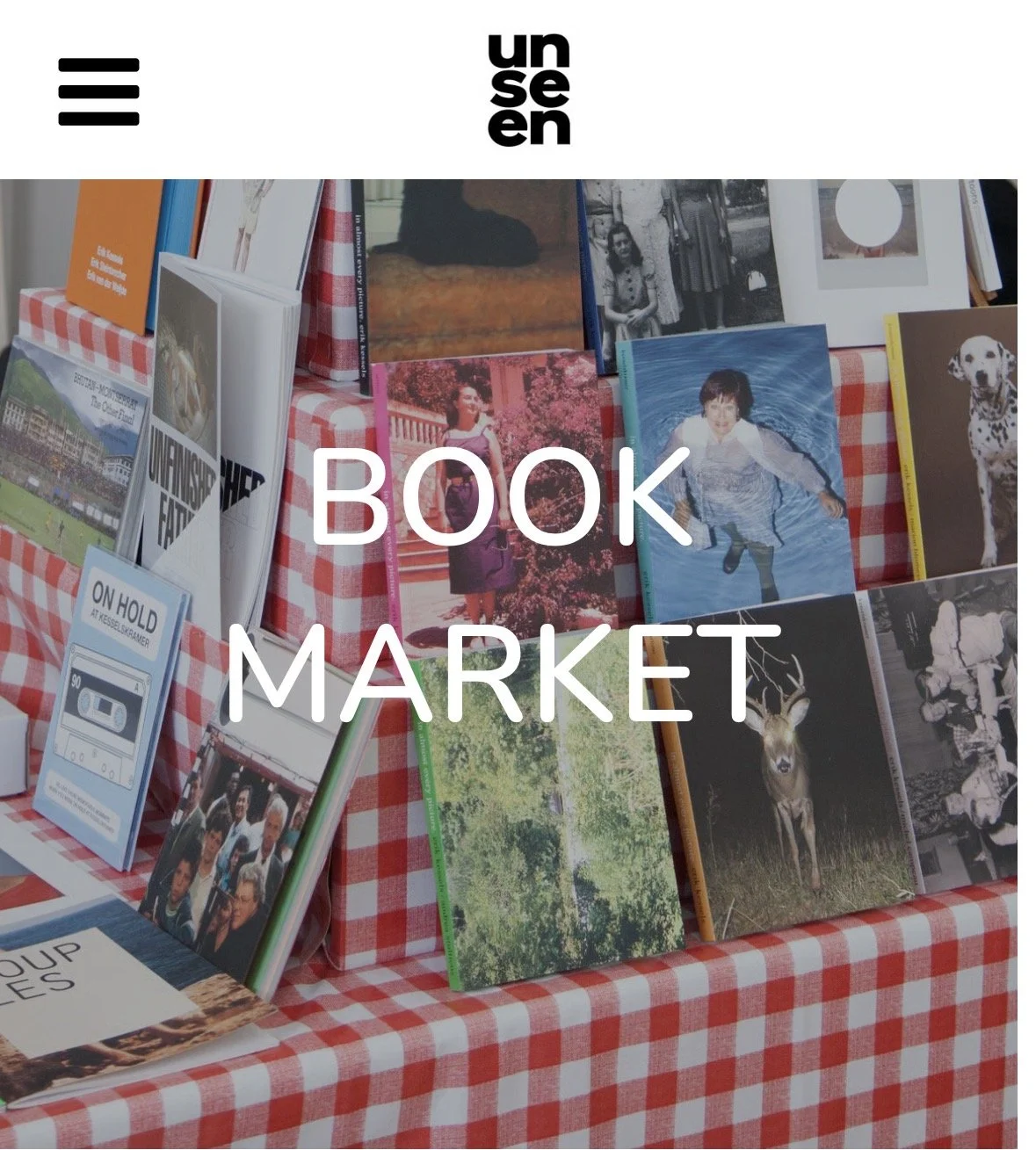
Copies of The Street Becomes are available at the Unseen Book Market this week at the Nederlands Photo Museum, Rotterdam, where Meteoro Editions has a stand.
Saved by the bell
I arrived a few minutes early and sat on a bench on the ground floor, just around the staircase that leads to the second floor classrooms.
Occasionally, someone would come by the corridor and nod or give me a formal greeting. Mostly, I waited for the rumor of doors opening and kids stepping out of rooms.
When the sound did eventually come, it was like a levy breaking and a rush of running feet, loud voices, jostling bodies and peals of laughter poured down the stairs. Olin ran by looking straight ahead and without seeing me. Luca came down a bit later and saw me before I noticed him.
To think kids experience these waves of joy and release every day when school lets out! I had completely forgotten what that looked, sounded and felt like.
At this time in my life, joy is more of a quiet thing: to step out with HRM and explore a new neighborhood, or sit with a good book, to share a cigar and conversation, to rest my body midway through a long bicycle ride, somewhere where other riders like to gather.